
SAFEGUARDING WHAT TEXAS DEPENDS ON
Some of the most important work happens before there is a crisis. Across Texas, The Texas A&M University System works every day to protect agriculture and the food supply, safeguard natural resources, identify emerging threats, and make the infrastructure Texans rely on safer.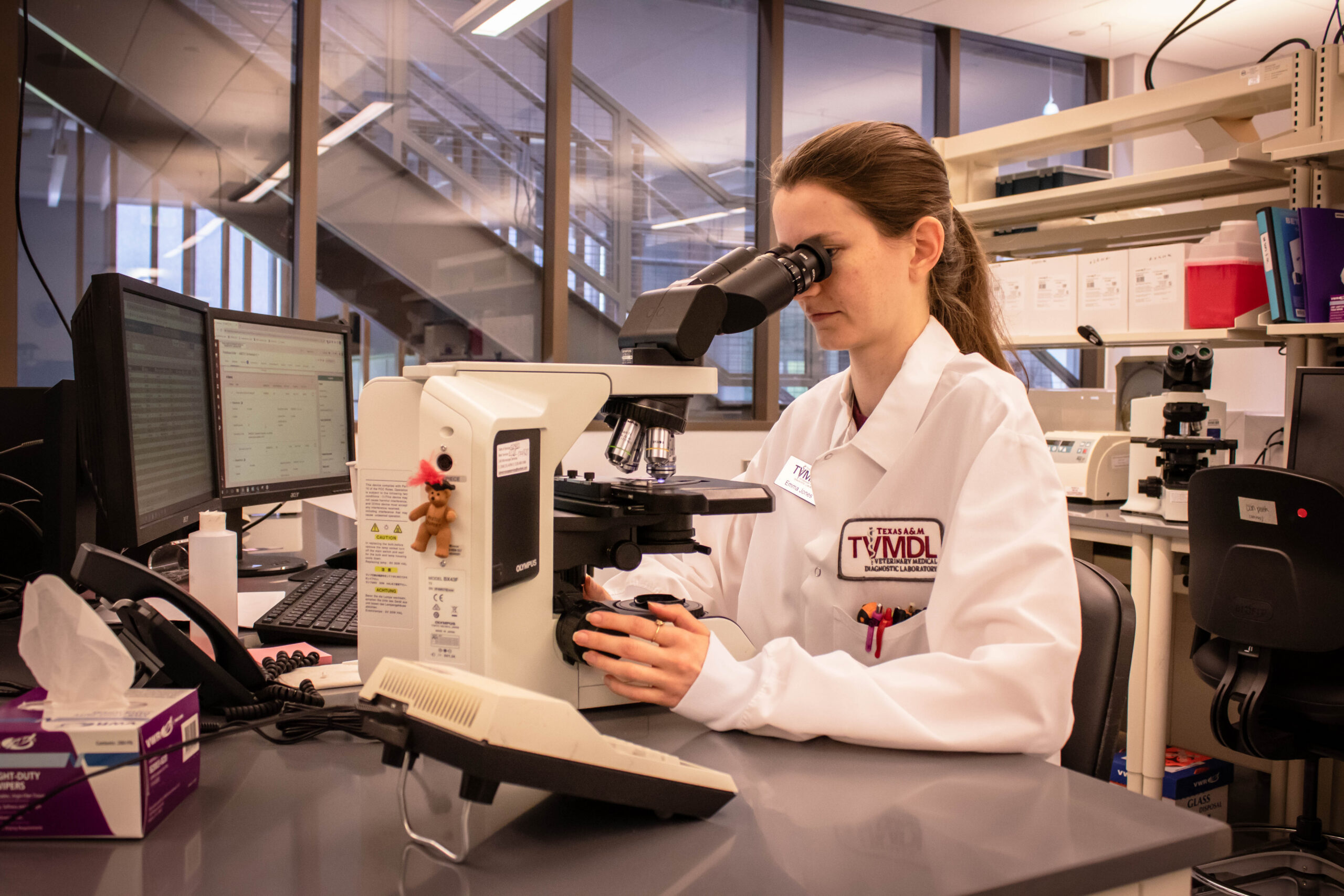
PROTECTION STARTS LONG BEFORE SOMETHING GOES WRONG
Protecting Texas isn’t only about responding to threats. It’s about anticipating them.
Across The Texas A&M University System, scientists, researchers, and specialists work every day to understand the risks facing Texas and strengthen the people, industries, and resources that keep the state moving.
They diagnose diseases that can threaten livestock and the food supply. They help farmers, ranchers, and landowners protect the resources their livelihoods depend on. They work to reduce wildfire risk before the first flame. And they put transportation infrastructure through real-world testing to understand how it will perform when safety is on the line.
Much of this work happens quietly, before most Texans ever know there is a threat. And that’s the point. The earlier we can understand a risk, the more Texas can do to prepare for it, reduce its impact, or keep it from becoming a larger problem.
12,000+ Avian Influenza Tests
Conducted Following the First Known Indication of H5N1 in Dairy Cattle
5,115 Texas Wildfires
in 2025, with Texas A&M Forest Service Working Across Prevention, Preparedness, and Response
~4,000 Full-Scale Crash Tests
Conducted at Texas A&M Transportation Institute Proving Grounds
SEEING THREATS BEFORE THEY SPREAD
Texas agriculture depends on the health of millions of animals, the safety of the food supply, and the ability to identify biological threats before they can cause widespread damage.
The Texas A&M University System helps provide that front line of defense. Through diagnostic testing, surveillance, research, and expertise, System agencies help Texas identify emerging animal health threats and give producers and officials the information they need to act.
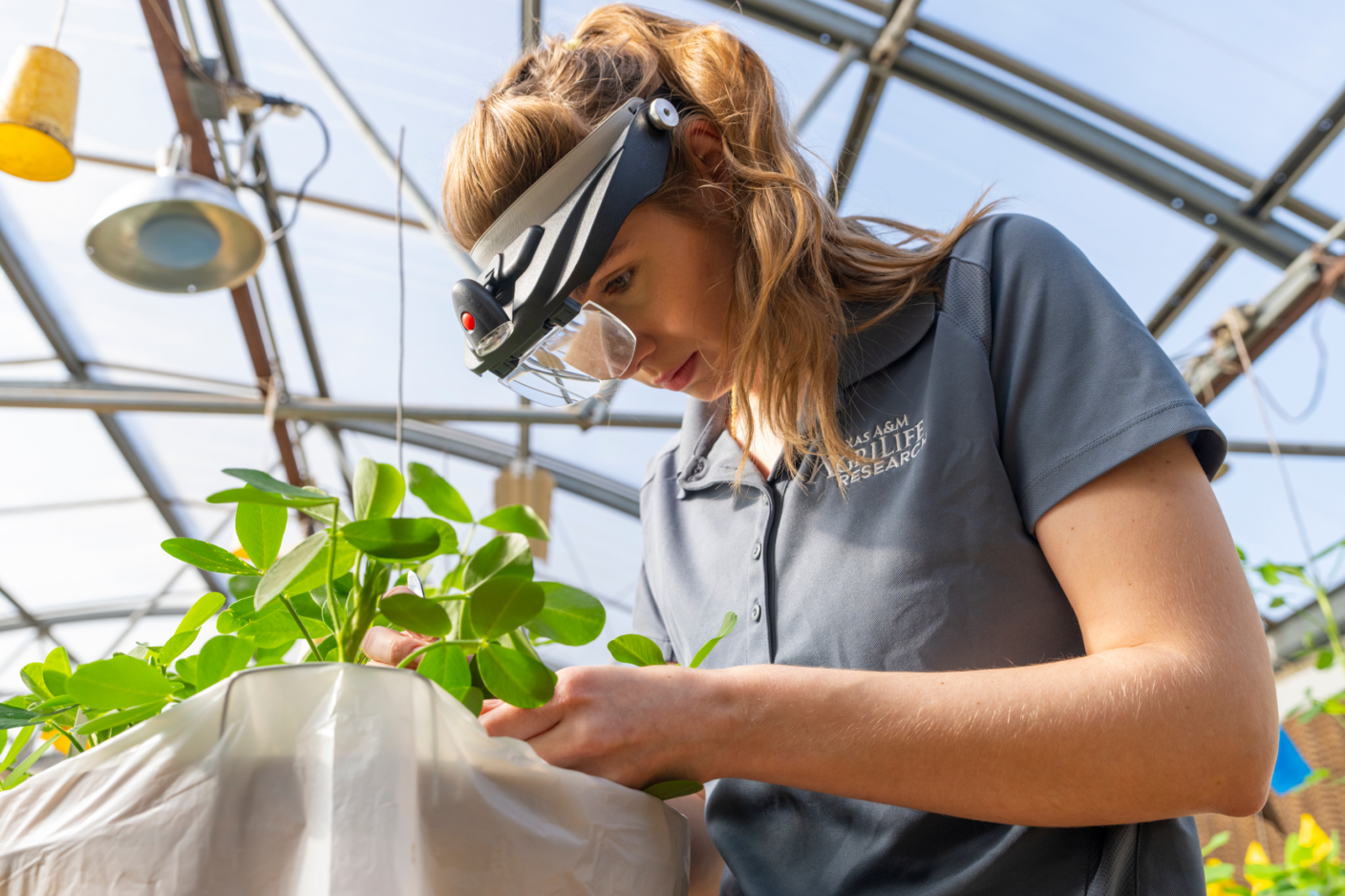
One example came with H5N1. The Texas A&M Veterinary Medical Diagnostic Laboratory produced the first known indication of H5N1 in dairy cattle before federal confirmation. Since that discovery, the laboratory has conducted more than 12,000 avian influenza tests.
New World screwworm provides another example of why that vigilance matters. As Texas responds to the New World screwworm, A&M System experts are helping the state prepare, giving producers science-based guidance to identify and prevent infestations, supporting surveillance and rapid identification of suspected cases, and advancing research to strengthen the response. Together, that expertise helps protect livestock, wildlife, and the agricultural industries that depend on them.
Different threats require different responses. But the mission is the same: see what is coming, understand the risk and help protect Texas before it spreads.
PROTECTING THE RESOURCES TEXAS GROWS ON
Texas agriculture depends on more than what happens in a field or pasture. It depends on healthy land, water, forests, and natural resources that have to sustain communities and industries for generations.
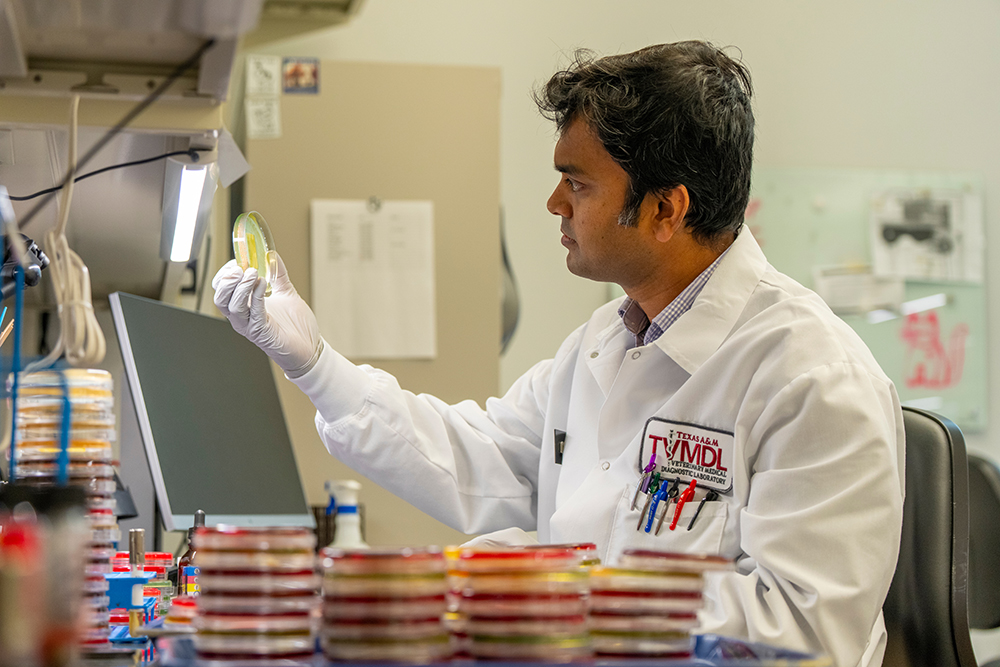
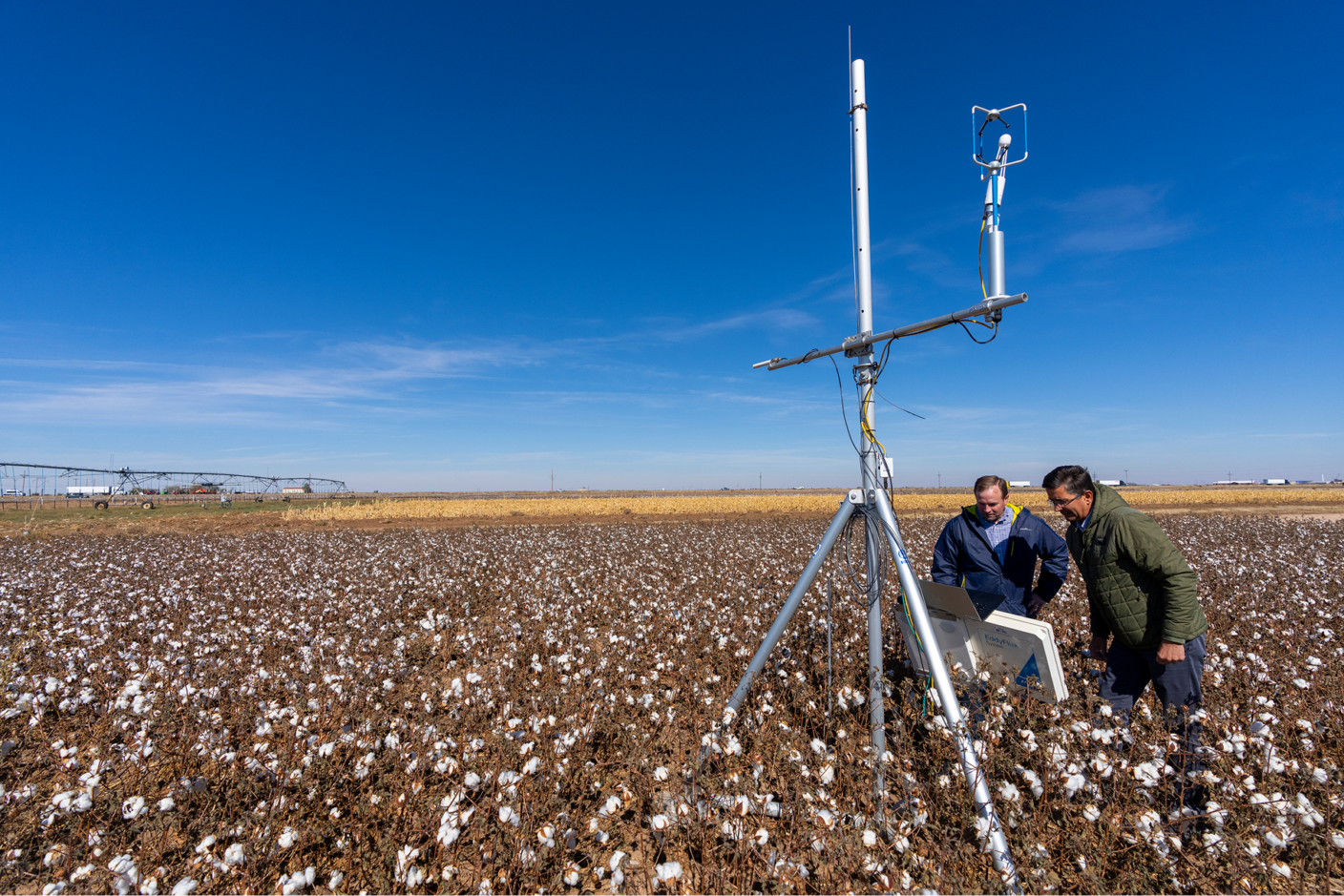
Across the A&M System, research and practical expertise help farmers, ranchers, landowners, and communities respond to challenges affecting the resources they depend on. That work reaches from agricultural research and production methods to water conservation, soil health, wildlife, forestry, and land management. Through AgriLife Extension, science-based knowledge also reaches Texans directly, helping turn research into decisions people can make on their farms, ranches, and in their communities. Current impact reporting estimates 5.1 billion gallons in potential annual water savings and $58 million in livestock and wildlife losses avoided through applied programs and expertise.
Wildfire protection is part of that responsibility. Texas A&M Forest Service works to reduce wildfire risk and strengthen local response capacity before smoke ever appears on the horizon.
PUTTING SAFETY TO THE TEST BEFORE TEXANS HAVE TO
Protecting Texans also means understanding how the infrastructure around them will perform when something goes wrong.
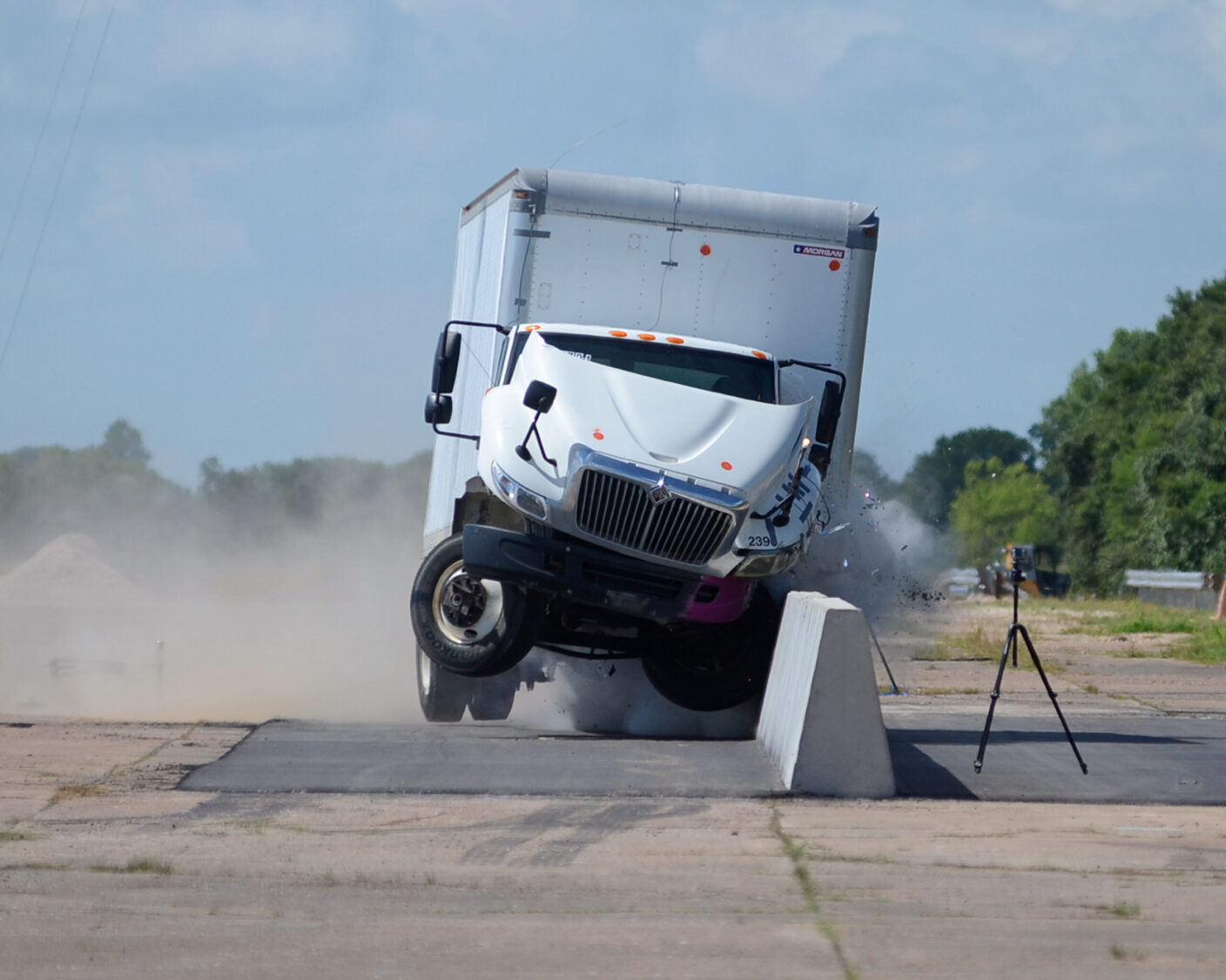
At the Texas A&M Transportation Institute proving grounds, researchers have conducted roughly 4,000 full-scale crash tests, putting transportation systems through real-world conditions to understand how they perform when safety is on the line. What researchers learn through those tests can inform safer transportation and stronger infrastructure.
Because the best place to discover how something fails is in a controlled test, not on a Texas road.
SERVICE NEWS
Texas A&M Sets the Standard: Aggies Honored for Commitment to Foster Children’s Education
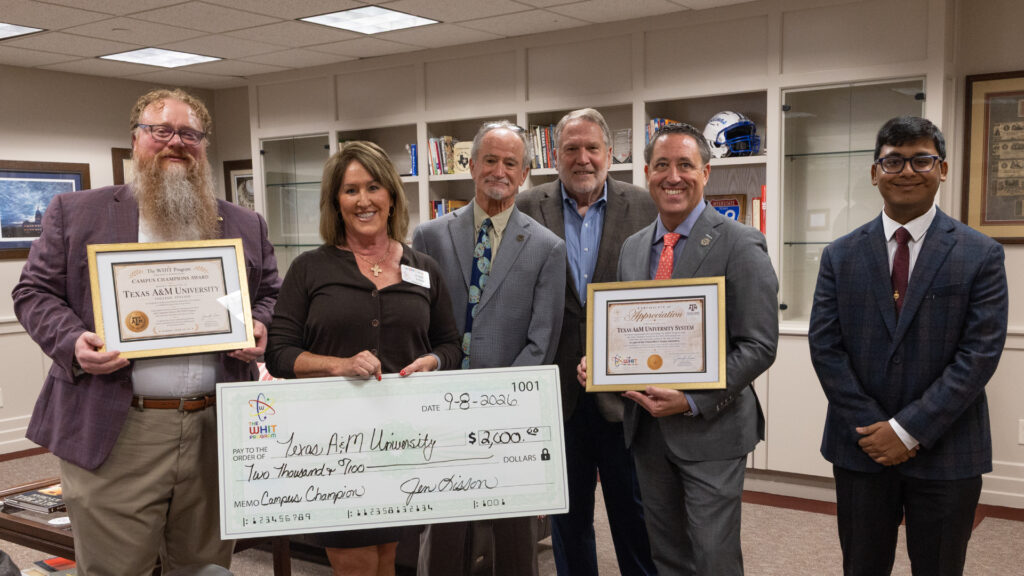
Sep. 8, 2026 • 4 min. readTexas A&M University was named the winner of the Large University award for the WHIT Program’s Campus Champions Initiative for providing more volunteer tutors than any other large university.

The Texas A&M University System Expands Early College Pathways Through Rural Education Collaborative
May 4, 2026 • 2 min. readThe Texas A&M University System is expanding efforts to strengthen early college awareness and career pathways for students across the state through the Texas Rural Education Collaborative (TREC).

Texas A&M System to Lead $59.8M Autonomous Helicopter Wildfire Response Initiative
Dec. 1, 2025 • 1 min. readTexas A&M is pioneering a bold new frontier in wildfire response with a $59.8 million state-backed initiative to develop autonomous Black Hawk helicopters capable of battling wildfires with unprecedented speed and safety.
CONNECT TO MORE
Have a question, partnership opportunity, or initiative to explore? Connect with the A&M System to reach the right team and move the conversation forward.
CONTACT US