Texas A&M System to Lead $59.8M Autonomous Helicopter Wildfire Response Initiative
Texas A&M is pioneering a bold new frontier in wildfire response with a $59.8 million state-backed initiative to develop autonomous Black Hawk helicopters capable of battling wildfires with unprecedented speed and safety.

Texas A&M is pioneering a bold new frontier in wildfire response with a $59.8 million state-backed initiative to develop autonomous Black Hawk helicopters capable of battling wildfires with unprecedented speed and safety. Partnering with the Defense Advanced Research Projects Agency (DARPA) and leveraging its cutting-edge Aircrew Labor In-cockpit Automation System (ALIAS), this project will adapt proven autonomy technology to transform how wildland fires are fought — reducing risks to pilots, extending mission endurance, and bringing relentless fire-fighting power to the skies.
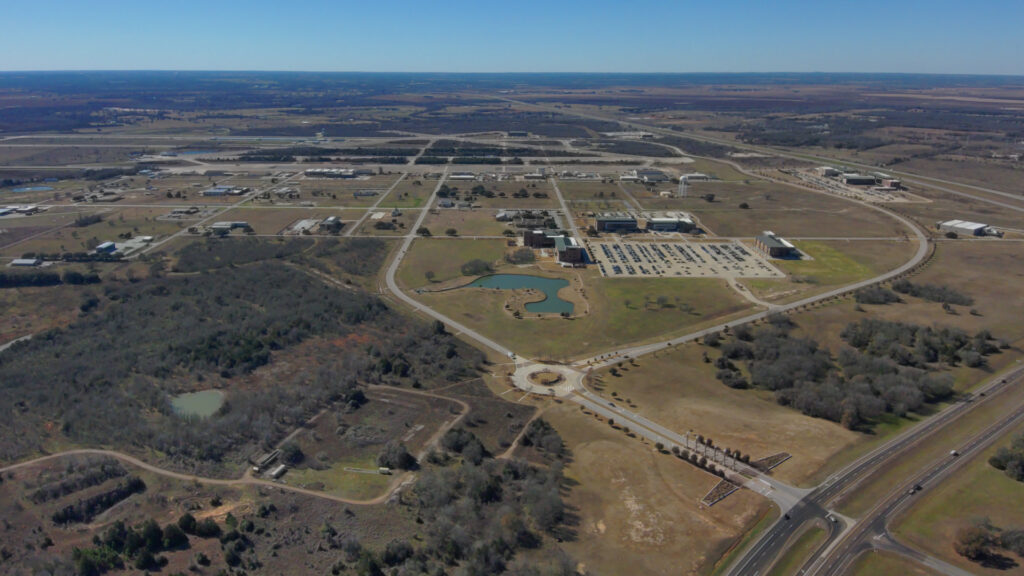
At the heart of this effort is the George H.W. Bush Combat Development Complex (BCDC) on the Texas A&M-RELLIS Campus, where up to four UH-60 Black Hawk helicopters will be outfitted with autonomous capabilities and put through rigorous testing over the next two years. With contributions from key Texas A&M University System research institutes and emergency management partners, the program is designed not just to advance wildfire suppression, but to position the state of Texas as a national leader in safe, scalable AI aviation technology — impacting emergency response, national security, and commercial sectors alike.