
FOR EVERY MISSION, MORE CAPABILITY.
Some challenges demand capabilities no single organization can provide. Across The Texas A&M University System, we bring together 12 universities, eight state agencies, numerous institutions, and specialized facilities and partnerships with government, industry, and national laboratories to create combinations and infrastructure unparalleled in the nation.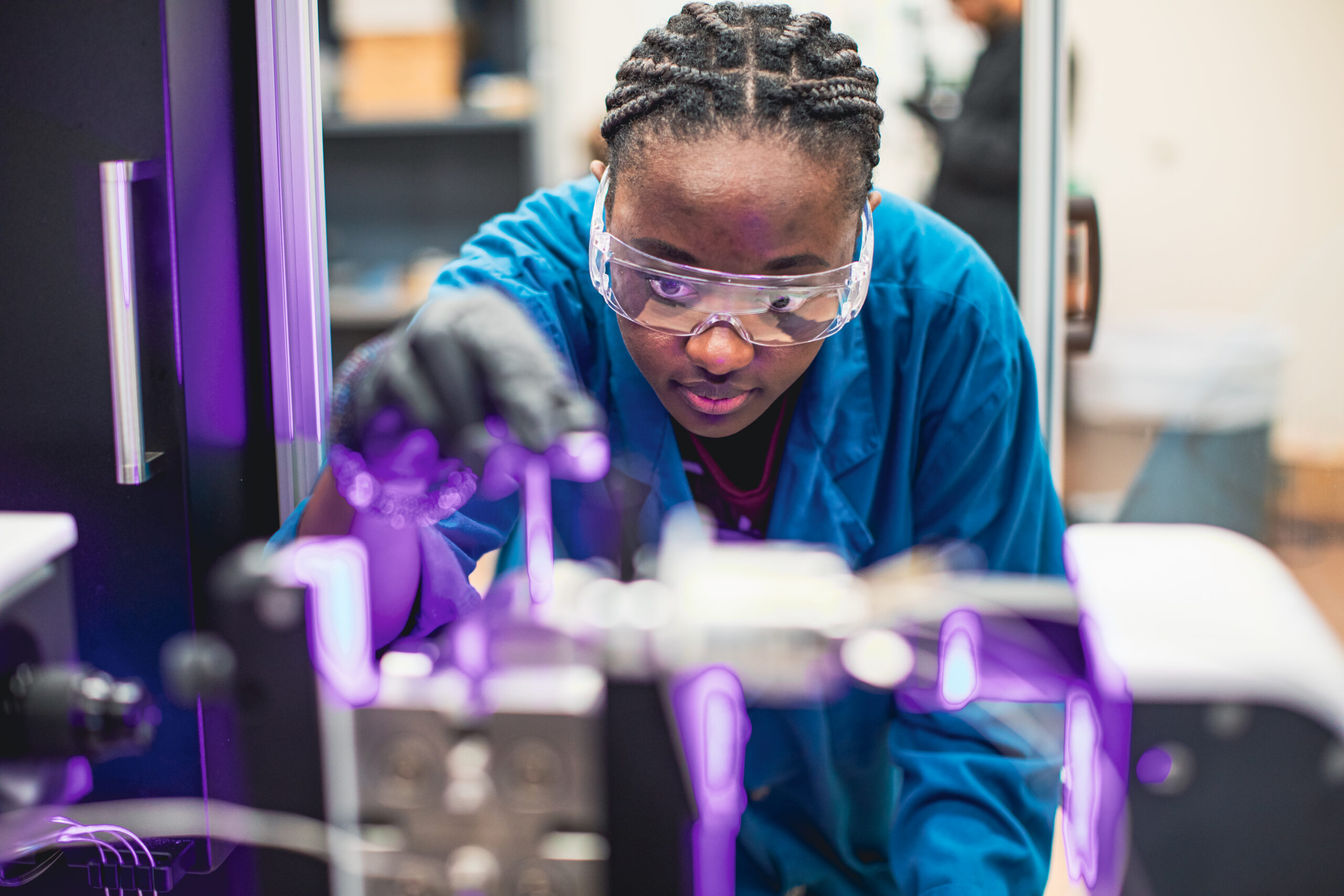
OUR SCALE IS ONLY THE BEGINNING
The Texas A&M University System directs a nearly $1.6 billion research enterprise toward consequential problems. But size alone isn’t our advantage. What matters is what that scale makes possible.
Across universities, state agencies, and specialized research platforms, the A&M System can bring different kinds of expertise and infrastructure to the same mission. Researchers can draw on advanced computing, specialized laboratories, statewide networks and full-scale test environments. Government, industry, and national laboratories add even more expertise, resources, and connections to real-world needs.
And we invest in bringing those capabilities together. The Research Excellence Fund supports research collaboration across A&M System members and builds shared strength around major opportunities and challenges.
3,300 Acres at Texas A&M–RELLIS
Built for Research + Testing + Proving at Scale
Unmatched Scale and Structure
12 Universities, 8 State Agencies, 9 Institutions, and 2 Nuclear Security Partnerships
33,000 Faculty and Staff
Turning Expertise into Real-World Impact
RESEARCH THAT CAN KEEP MOVING
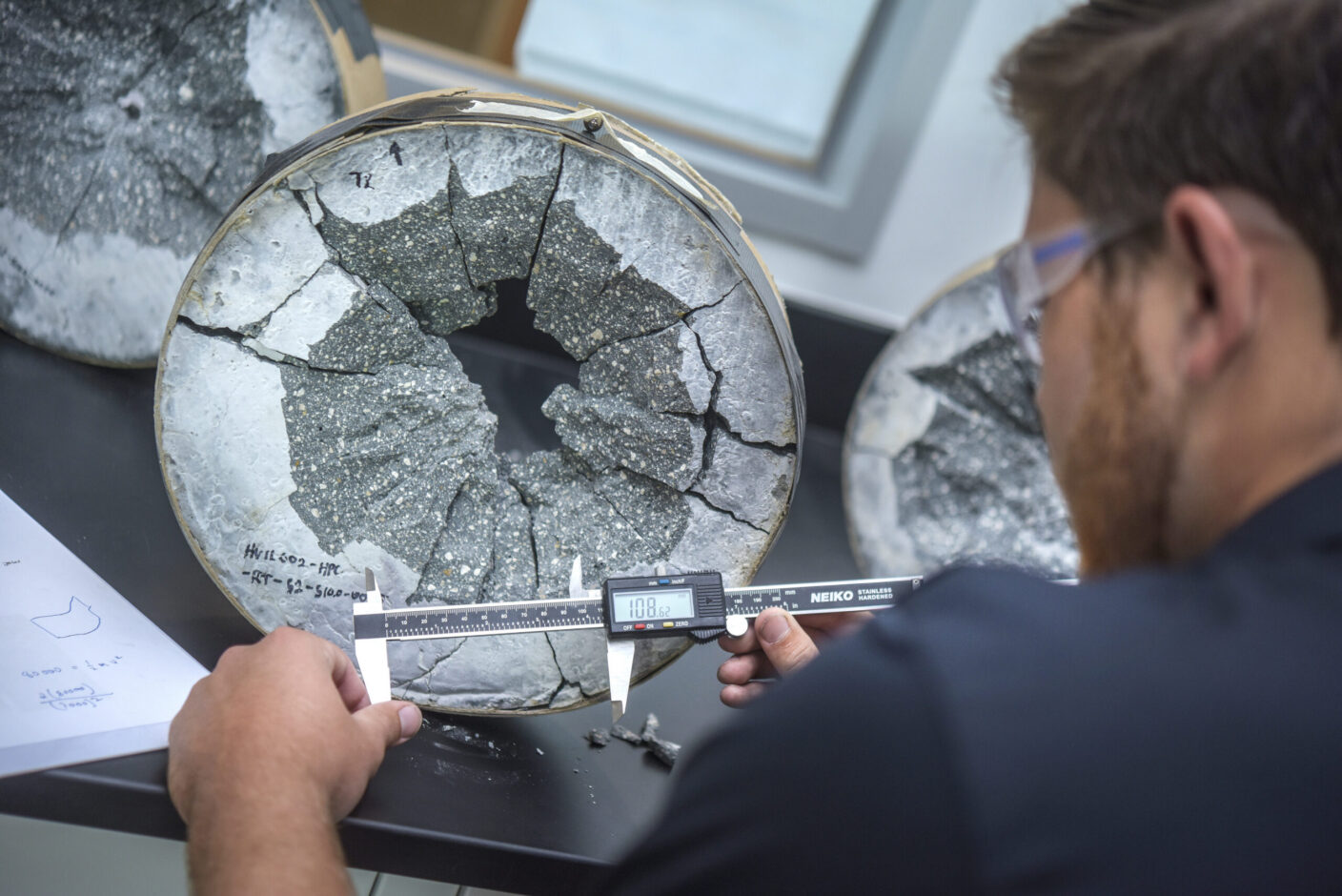
The Texas A&M University System connects research across universities and eight state agencies whose missions reach into industries, communities, and real-world environments across Texas. Together, they create more ways for discovery to move into engineering, testing, diagnostics, public systems, and practical use.
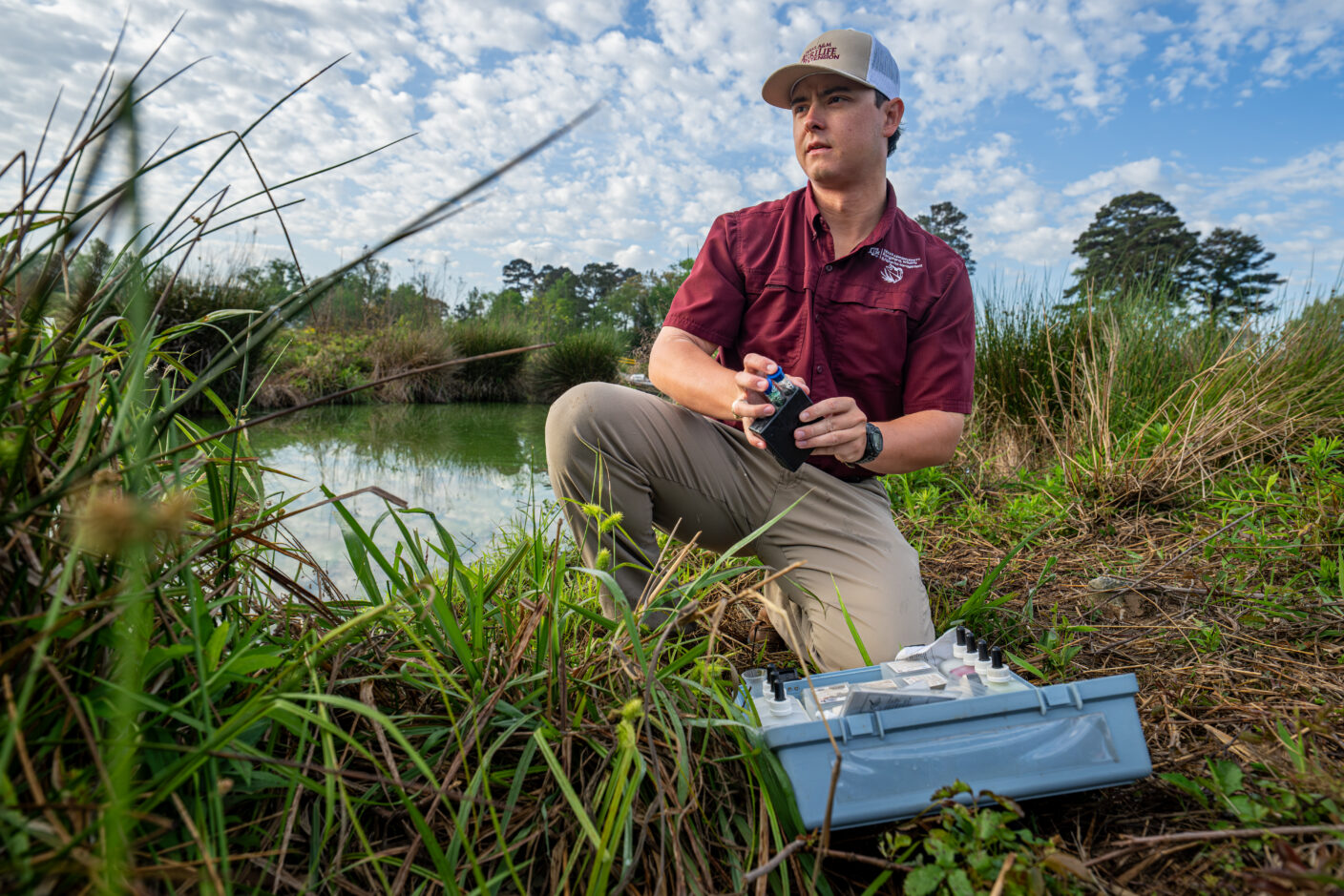
Consider just some of what that makes possible. Texas A&M AgriLife Research brings agricultural and life-sciences expertise. The Texas A&M Engineering Experiment Station advances engineering research and technology development. The Texas A&M Transportation Institute works across transportation safety, mobility, and infrastructure, while the Texas A&M Veterinary Medical Diagnostic Laboratory adds diagnostic and disease-surveillance capabilities. Other A&M System agencies extend expertise into forestry, emergency response, workforce development, and public service.
Across our universities, researchers add strengths ranging from health, agriculture, and engineering to artificial intelligence, autonomy, cybersecurity, national security, and more. No single example captures the full enterprise.
That structure creates something important: research doesn’t have to stop at discovery. Knowledge can move into testing, field conditions, public systems, and communities.
MORE EXPERTISE FOR COMPLEX CHALLENGES
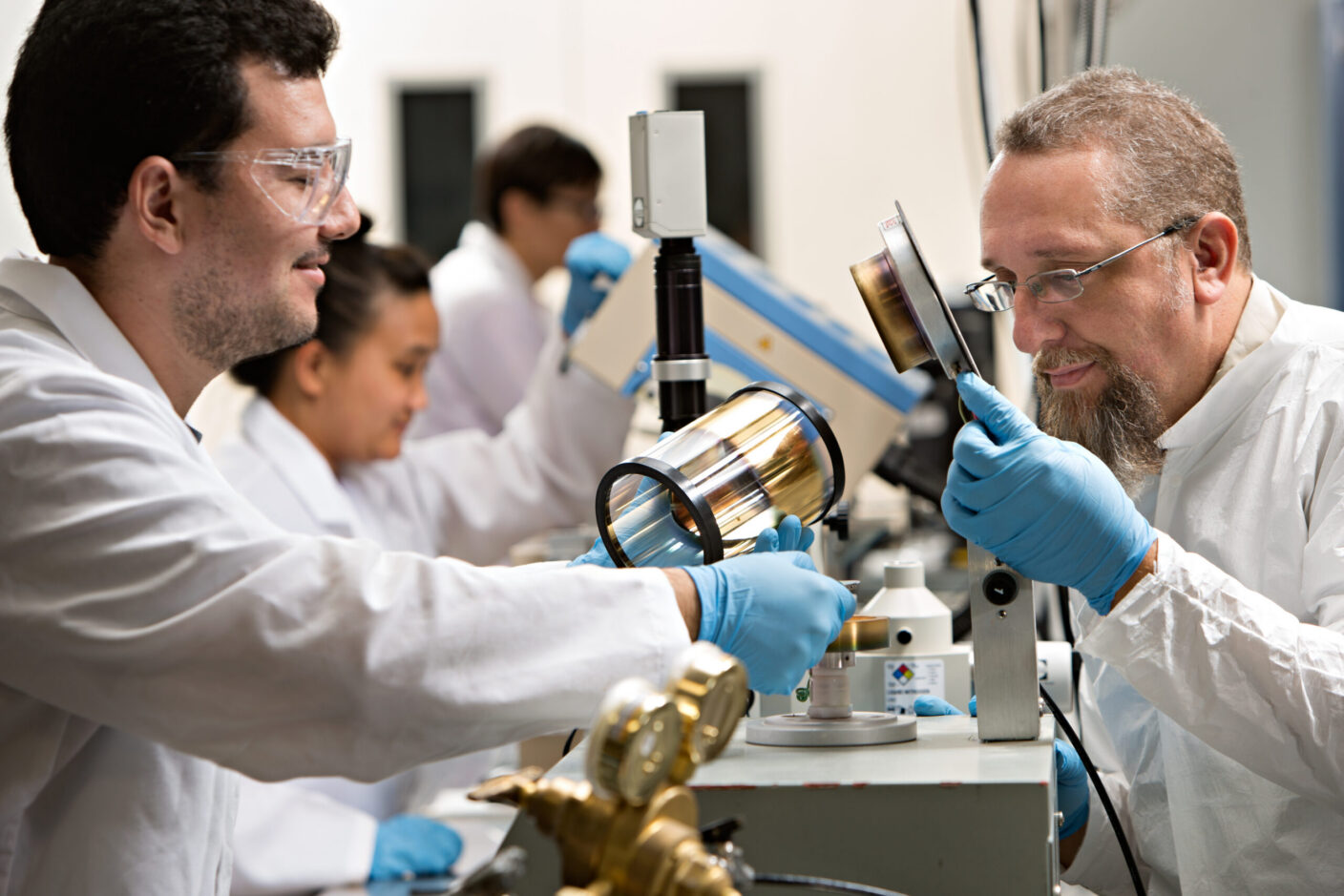
Complex missions rarely require just one kind of expertise. The A&M System can bring different specialties together around the same challenge.
In biosecurity, Texas A&M AgriLife Research, veterinary diagnostics, high-containment research, biomanufacturing, policy expertise and statewide networks can work against a threat like New World screwworm — connecting science, detection, countermeasures, and response.
In national security, research in advanced manufacturing, artificial intelligence, materials, and nuclear security connects with real federal mission needs through relationships that include Los Alamos National Laboratory, the Pantex Plant, and the broader Nuclear Security Enterprise.
In space, scientists and engineers working across astronomy, deep space research, autonomous and human systems, and aerospace technology can connect with NASA, industry, and the growing Texas A&M University Space Institute presence near Johnson Space Center, spanning questions from understanding the universe to operating beyond Earth.
Different missions. Different capabilities. One System built to bring the right pieces together.
MORE TO BRING TO THE MISSION
Big research challenges can require tools, environments, and expertise beyond a single laboratory. The Texas A&M System can connect researchers with capabilities inside and outside the A&M System.
At Texas A&M–RELLIS, researchers and partners can move ideas into ranges, proving grounds, and full-scale test environments. The 3,300-acre campus includes more than one million square feet of laboratories and offices for applied research. The George H.W. Bush Combat Development Complex supports testing in autonomous systems, communications, hypersonics, directed energy, and materials. At Texas A&M–Fort Worth, laboratories and innovation spaces bring universities, A&M System agencies, and industry around research, technology development, and workforce needs.
VISION adds another kind of capability. The $45 million supercomputer delivers 34.82 petaflops of performance and ranks as the fastest university supercomputer in the United States. Its computing power can support research across materials, energy, science, national security, and more.
And the A&M System reaches beyond its own facilities. Texas A&M researchers work with NASA’s Jet Propulsion Laboratory on planetary landing and navigation research. Research consortia and partnerships connect A&M System teams with federal agencies, national laboratories, industry, and other universities.
The right capability. The right partners. More to bring to the mission.
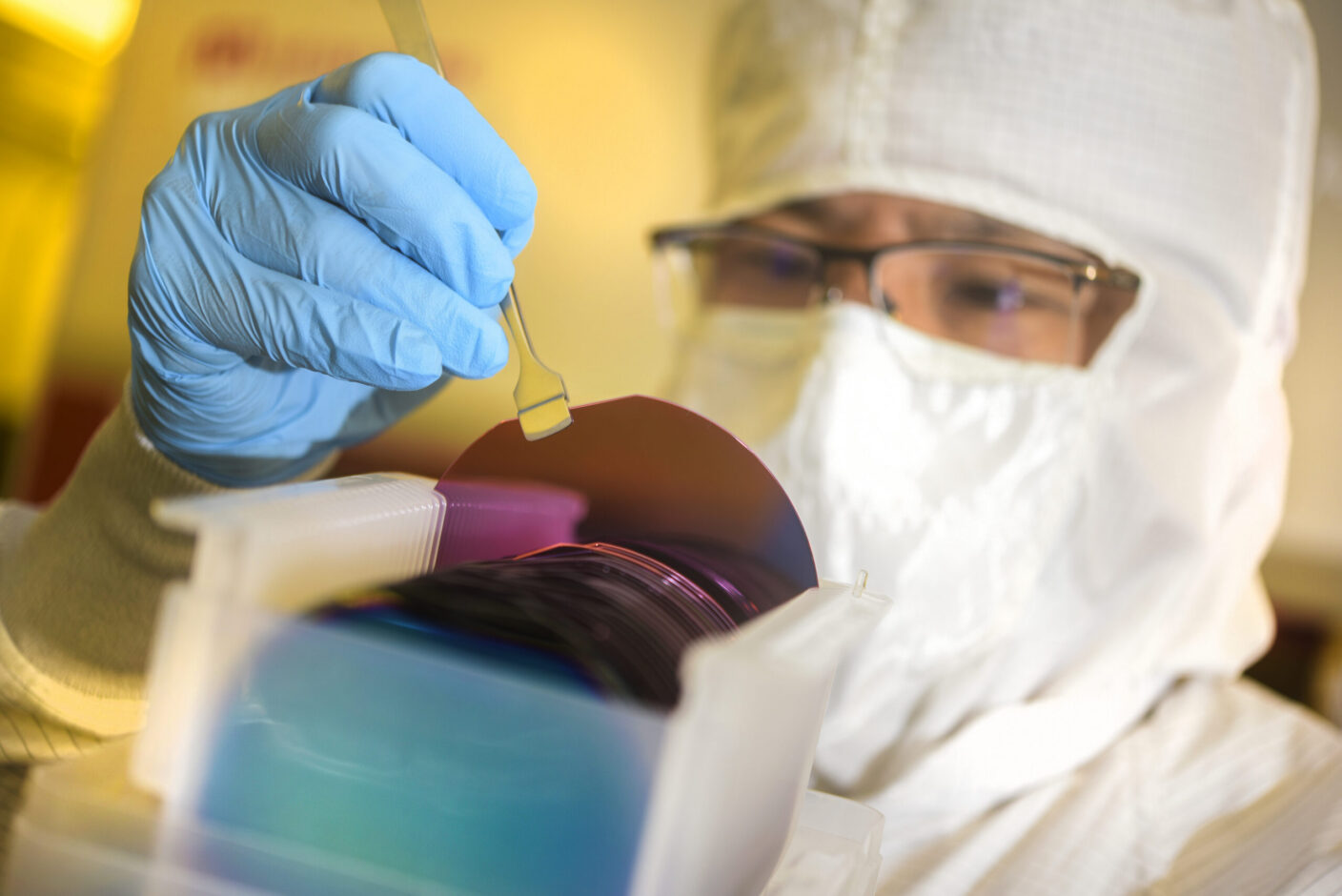
INNOVATION AND DISCOVERY

Texas A&M to Prepare Space Force Leaders Through 2036
Sep. 24, 2026 • 5 min. readTexas A&M University will help prepare officers to lead U.S. military operations in space for the next decade, giving the university a central role in developing leaders for one of the nation’s most consequential national security missions.
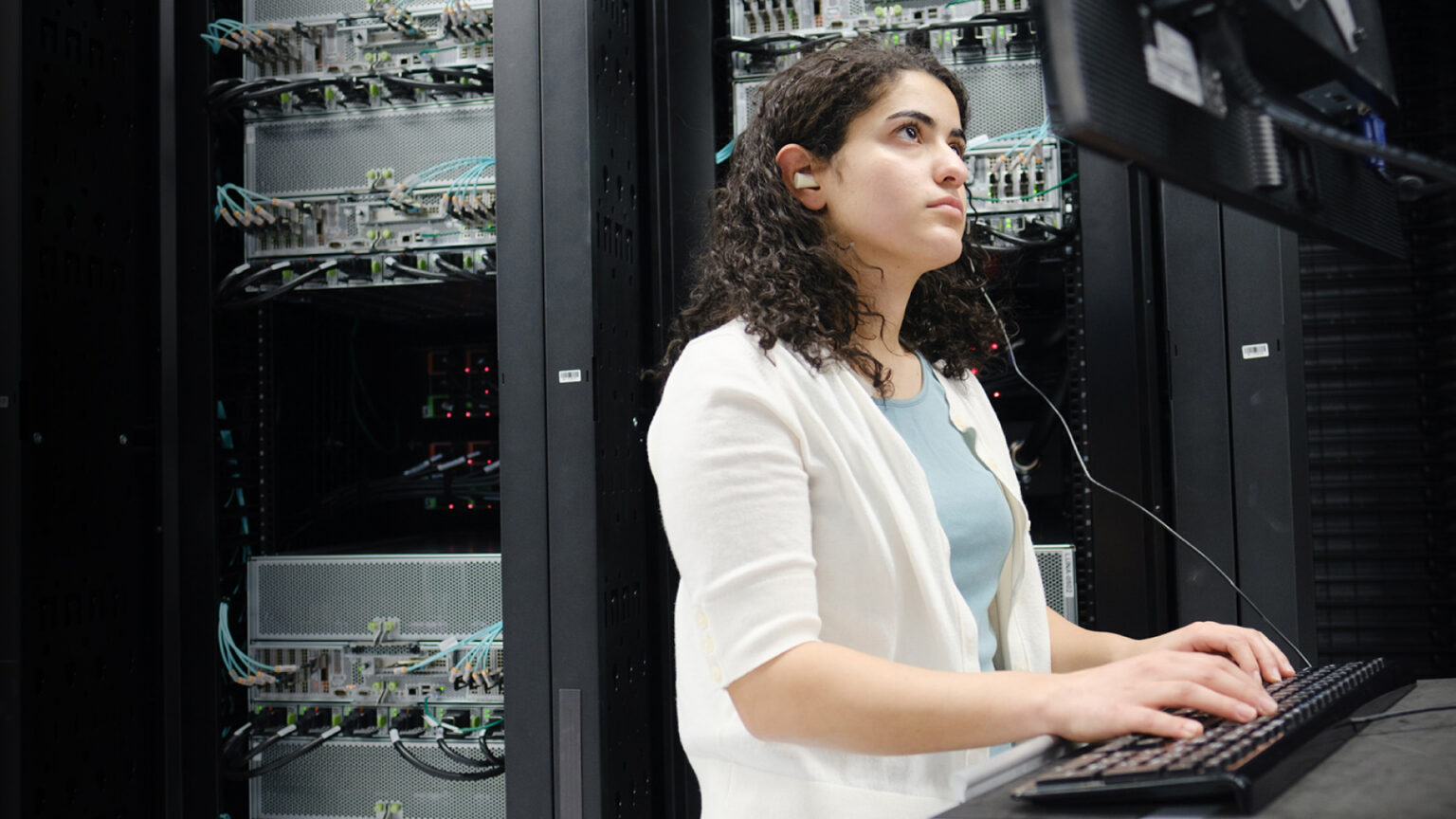
Texas A&M System Home to Nation’s Fastest University Supercomputer
June 25, 2026 • 4 min. readThe Texas A&M University System’s new VISION supercomputer is the most powerful university supercomputer in the United States, according to the June 2026 TOP500 list, which ranks VISION No. 66 among the world’s fastest computing systems.
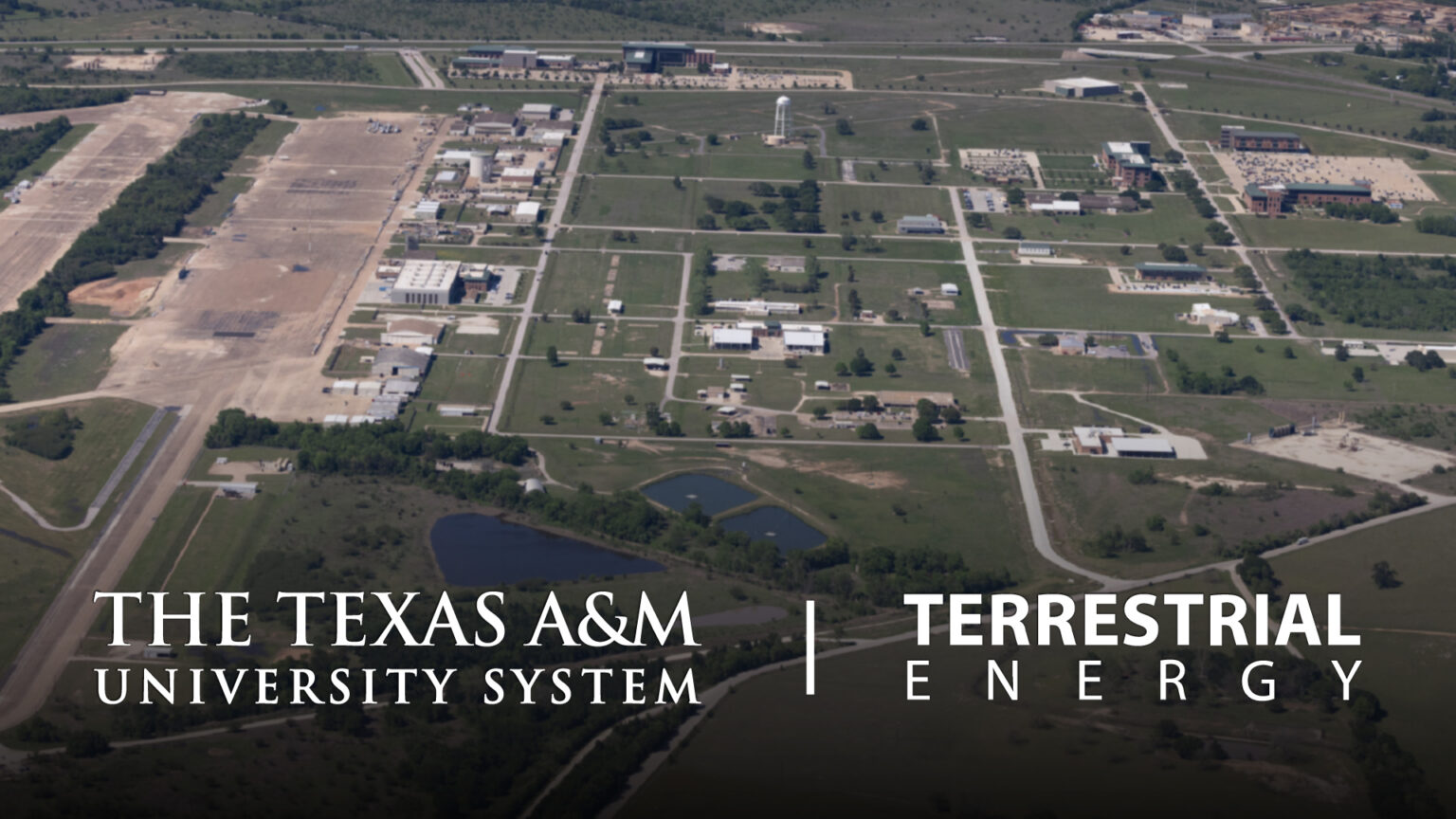
America’s Nuclear Energy Race Accelerates at Texas A&M-RELLIS
June 18, 2026 • 4 min. readAmerica’s race to build the next generation of nuclear energy is accelerating at Texas A&M-RELLIS, where The Texas A&M University System signed agreements with Terrestrial Energy Inc. to advance the development of its planned small modular reactor.
CONNECT TO MORE
Have a question, partnership opportunity, or initiative to explore? Connect with the A&M System to reach the right team and move the conversation forward.
CONTACT US