
Research & Innovation
Stories highlighting discoveries, inventions, creative scholarship, and research partnerships that advance knowledge and solve real-world challenges.

Texas A&M University will help prepare officers to lead U.S. military operations in space for the next decade, giving the university a central role in developing leaders for one of the nation’s most consequential national security missions.
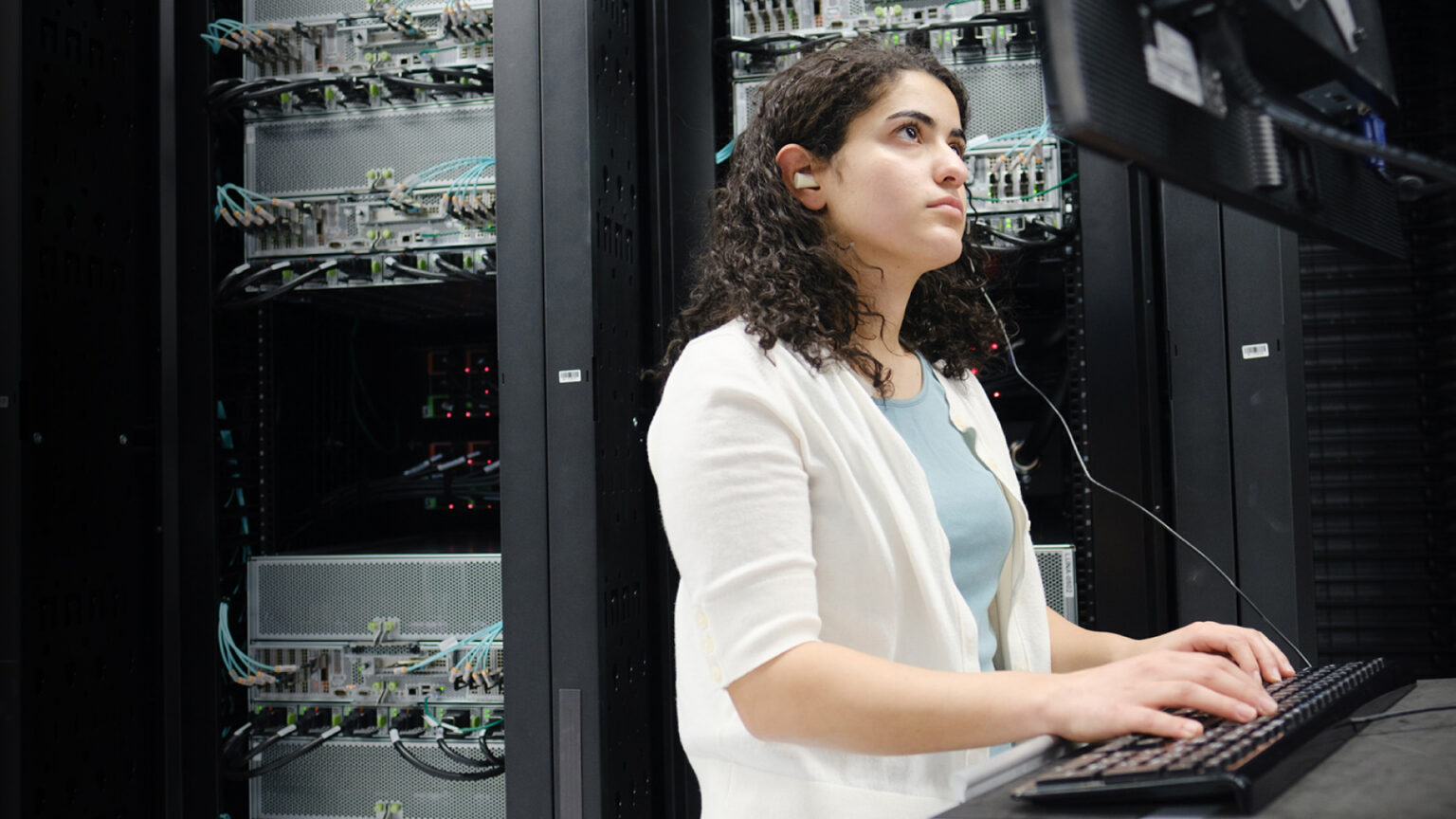
The Texas A&M University System’s new VISION supercomputer is the most powerful university supercomputer in the United States, according to the June 2026 TOP500 list, which ranks VISION No. 66 among the world’s fastest computing systems.
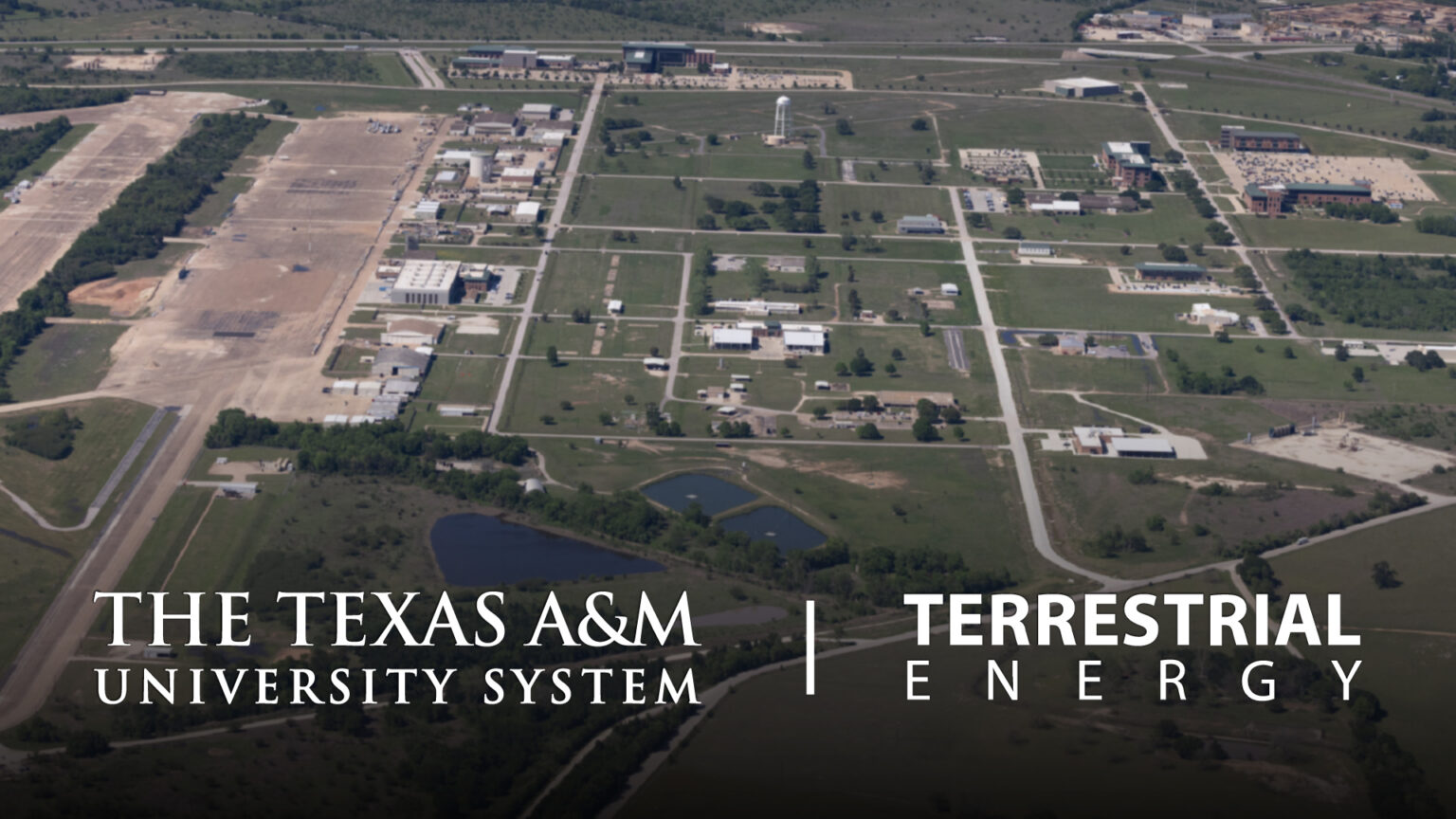
America’s race to build the next generation of nuclear energy is accelerating at Texas A&M-RELLIS, where The Texas A&M University System signed agreements with Terrestrial Energy Inc. to advance the development of its planned small modular reactor.

The Texas A&M University System announced today that Dr. Samuel Kim has been named chief innovation officer and associate vice chancellor, removing the interim title he has held since October 2025.
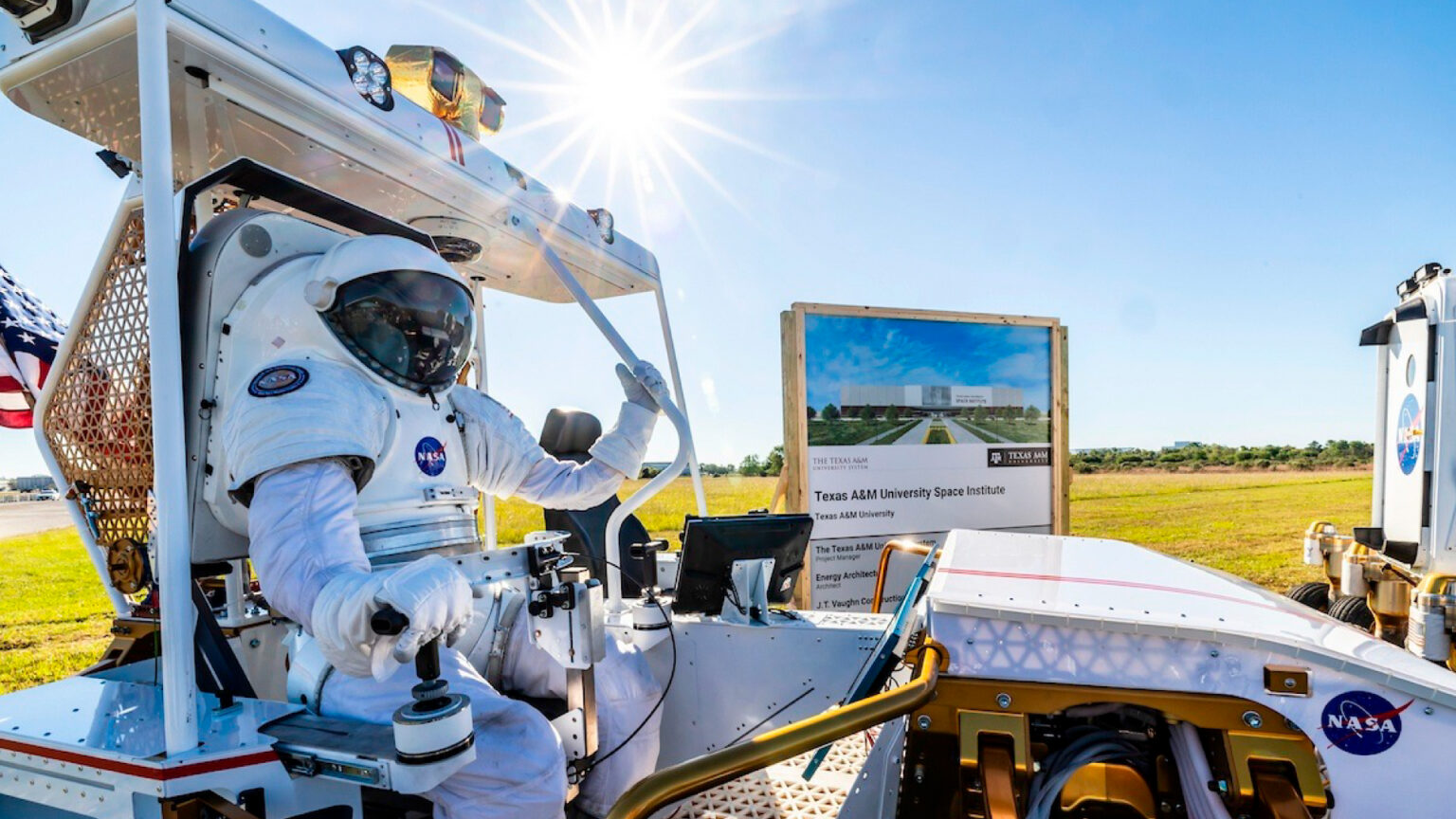
The Texas A&M University System is quickly building one of the most expansive university-led space enterprises in the United States. From microbes floating in orbit to a $200 million lunar training ground rising next door to NASA’s Johnson Space Center, A&M System members are advancing astronaut training, radiation protection, satellite engineering, autonomous systems, and workforce development.
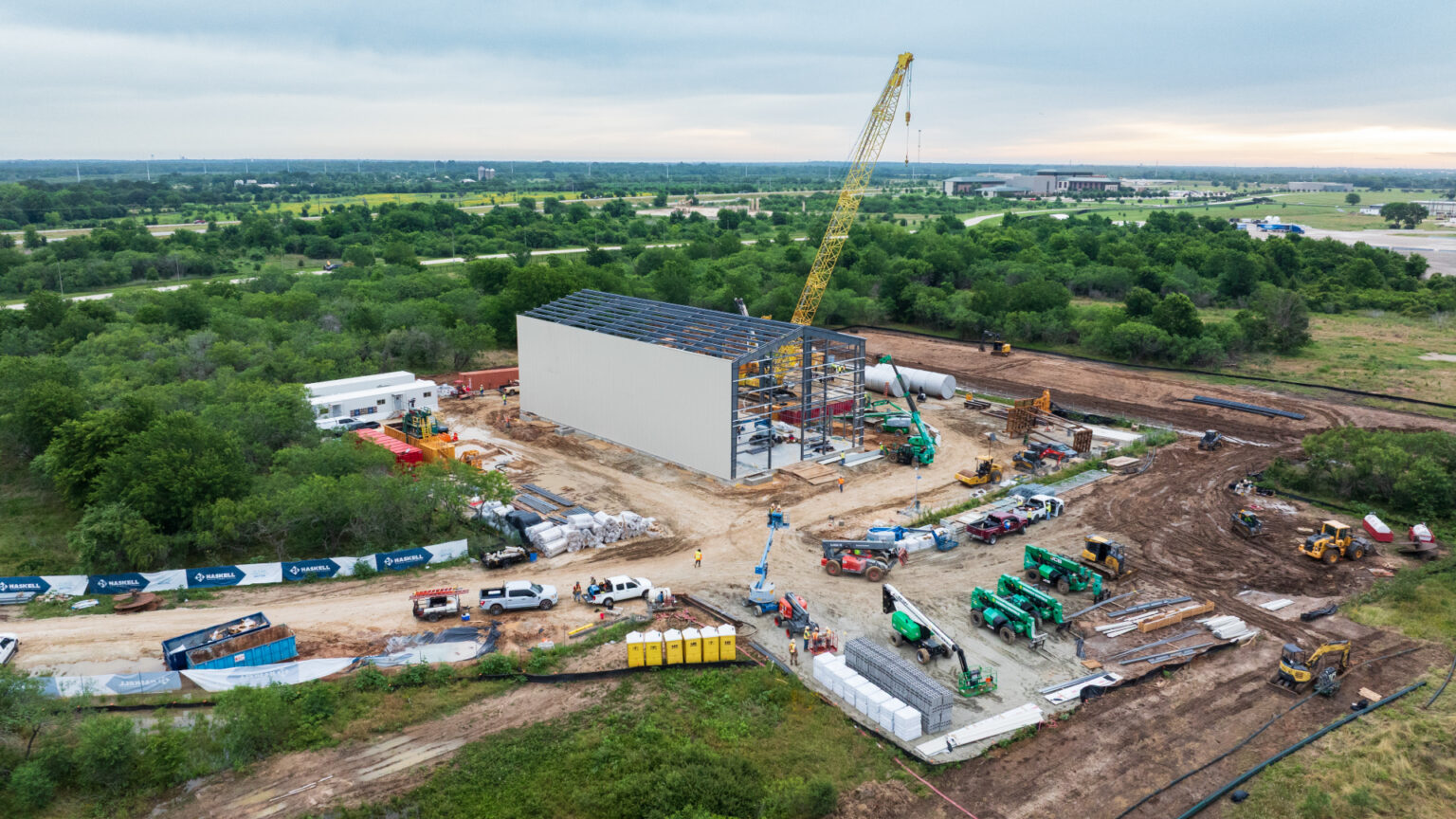
The Texas A&M University System today recognized a major milestone in advanced nuclear energy development as Last Energy announced U.S. Department of Energy approval of the Preliminary Documented Safety Analysis for its PWR-5 pilot reactor project at the Texas A&M-RELLIS Campus.
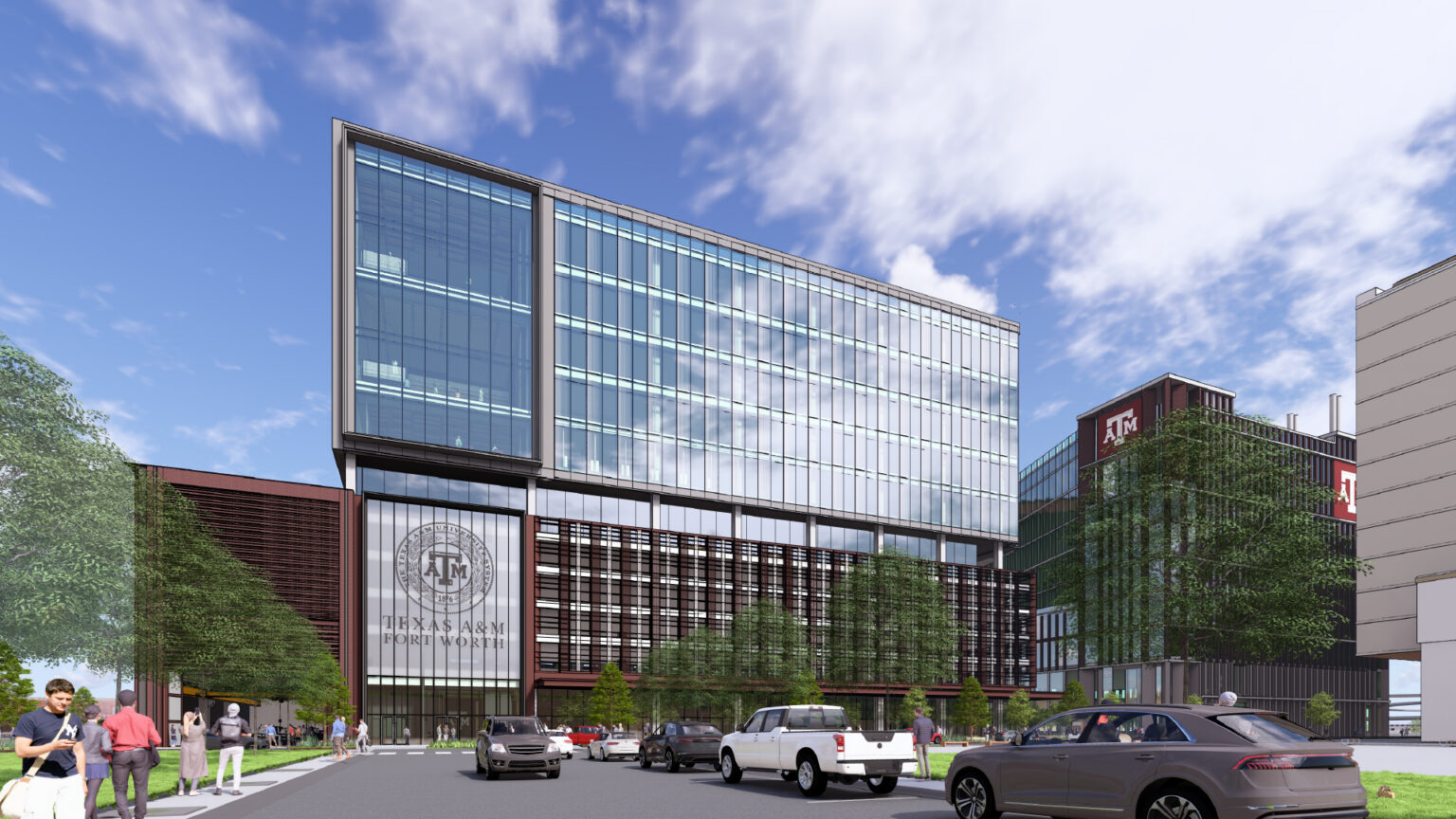
The Board of Regents of The Texas A&M University System approved a series of major initiatives this week focused on student success, research growth, campus preservation and the long-term needs of Texas, including hundreds of millions of dollars in capital and operational investments across the System.
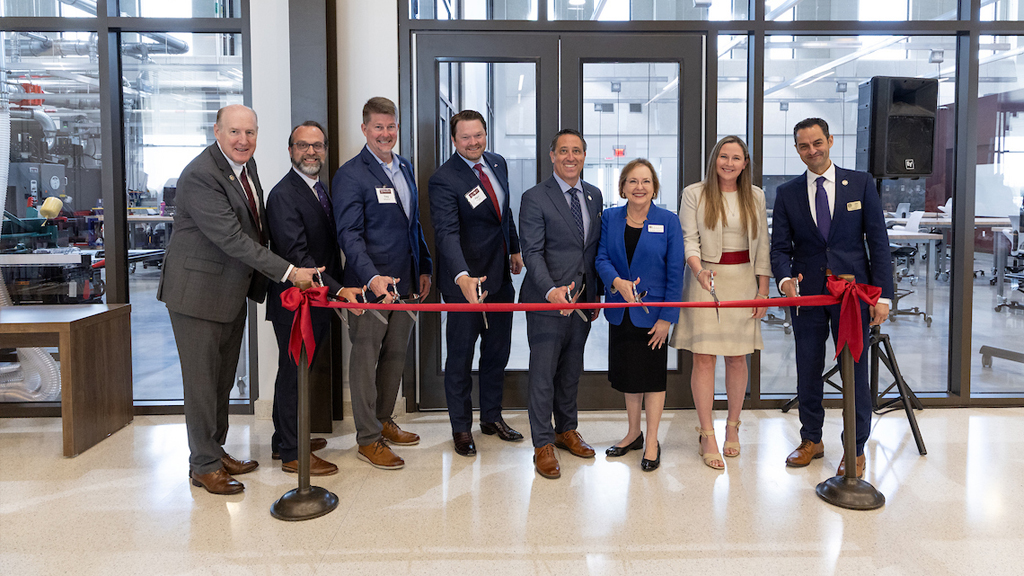
The Texas A&M University System celebrated the opening of the STEM Education and Research Center at Texas A&M-RELLIS today. The new collaborative facility allows students, researchers and industry partners to work side by side to advance applied research and prepare the next generation of Texas’ STEM workforce.
The Texas A&M University System Board of Regents approved three significant capital projects totaling more than $269 million, advancing the System’s strategic priorities in semiconductor innovation, national defense and space research, and agricultural education and workforce development.
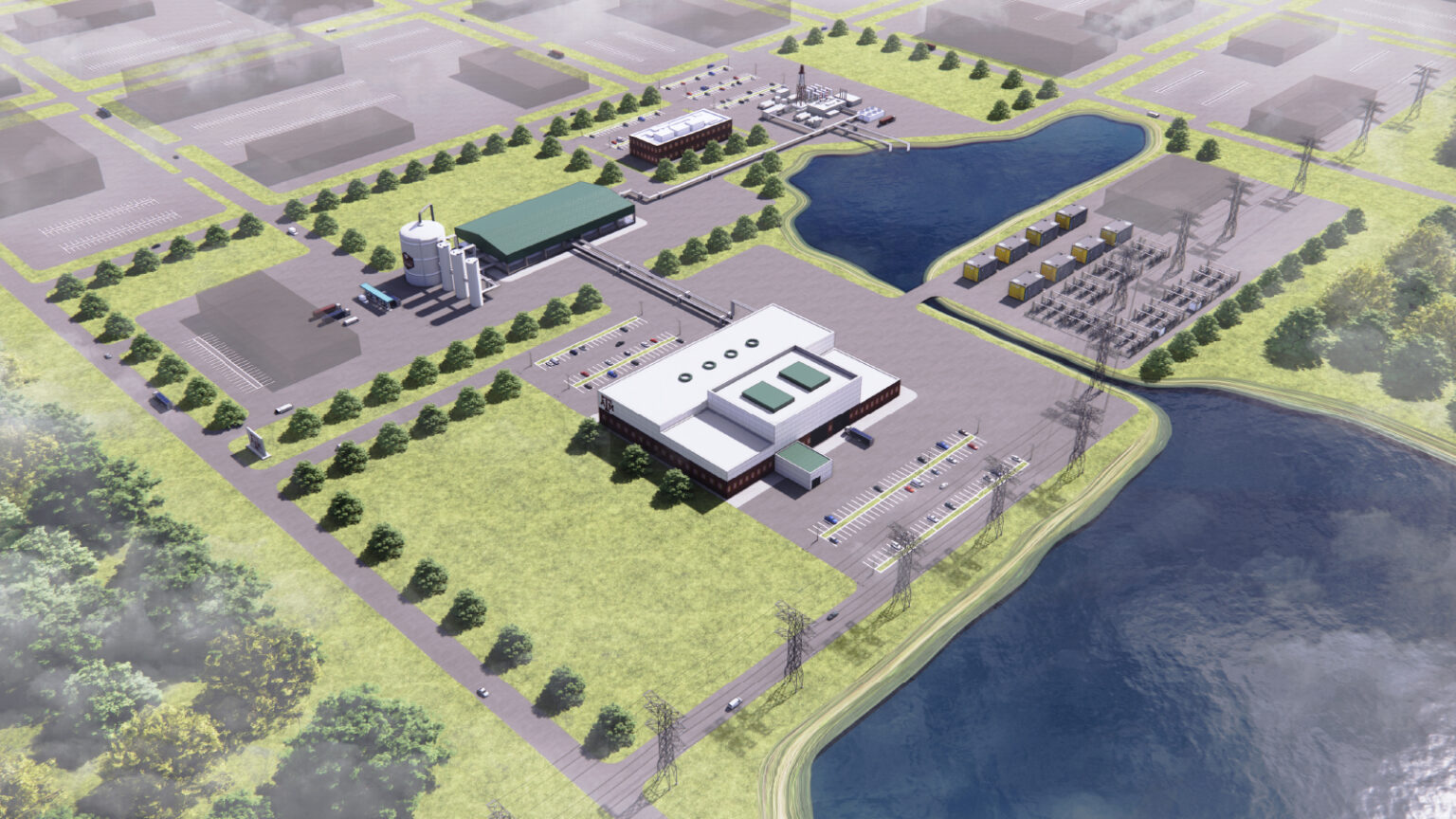
The Texas A&M University System and Last Energy have launched a bold collaboration to bring next-generation nuclear power to life with a microreactor pilot at the Texas A&M–RELLIS campus.