
RESEARCH THAT TAKES ON WHAT MATTERS
Some challenges carry greater stakes. The Texas A&M University System brings research strength to problems that shape our future — from securing our energy and food supply to advancing health, space exploration, emerging technologies, and national security.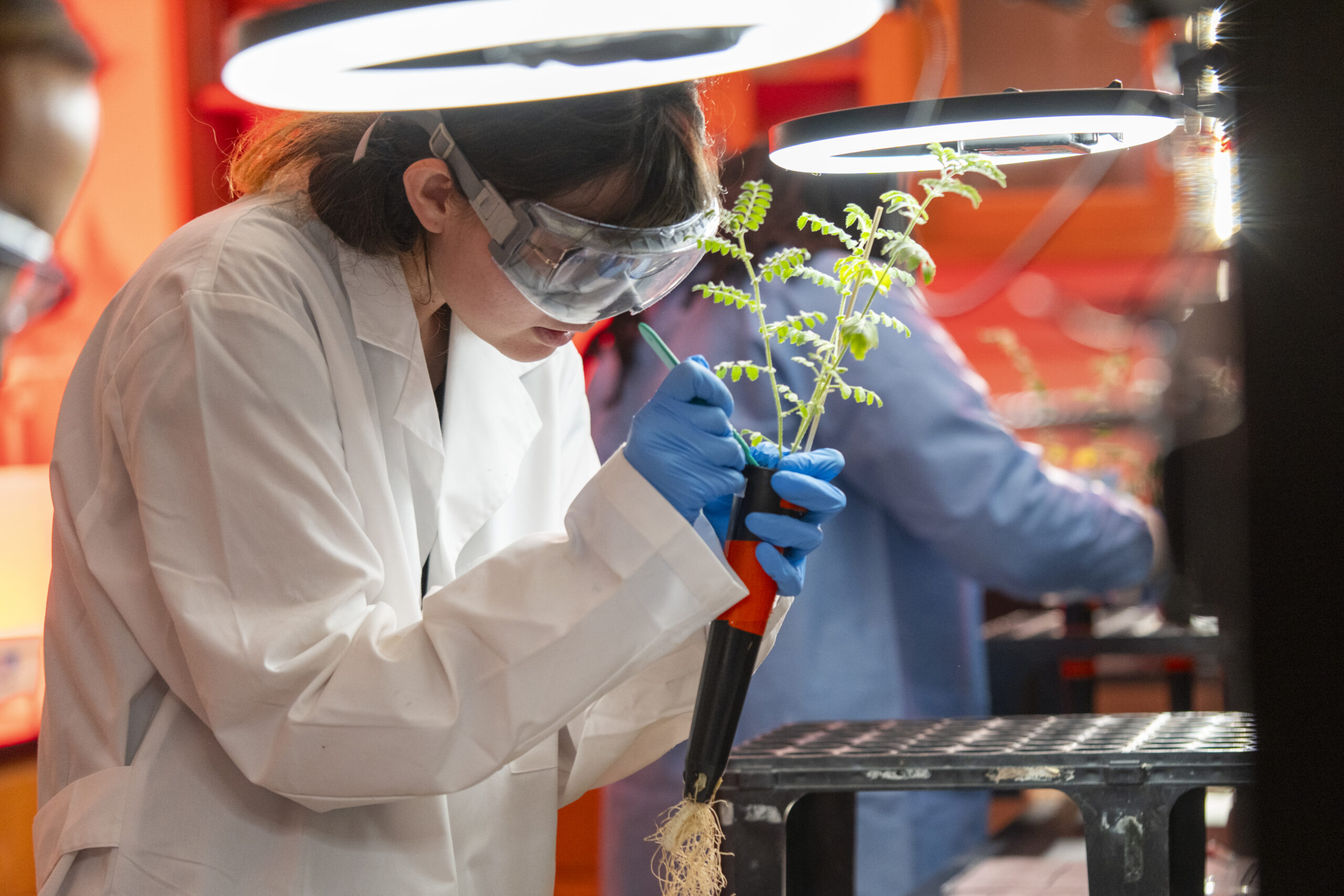
WHEN THE STAKES ARE HIGH, WE GET TO WORK
Texas and the nation need more reliable energy, secure water and food supplies, healthier communities, and infrastructure built to withstand new pressures. We face biological threats that can cross borders quickly, growing demands on our natural resources, and an increasingly complex national security environment.
At the same time, artificial intelligence, advanced nuclear energy, domestic semiconductor manufacturing, advanced manufacturing, and space exploration are reshaping how we live, work, compete, and defend the nation. Each brings enormous opportunity and new questions that no single discipline, institution, or sector can answer alone.
Across The Texas A&M University System, universities, state agencies, researchers, and partners bring different kinds of expertise to these grand challenges, working to improve lives in Texas, strengthen the nation, and advance solutions with impact around the world.

316 Active Space-Related Projects
Exploring What’s Next
4 Advanced Nuclear Companies
Testing the Future of Energy
$205.5M Semiconductor Institute Investment
Strengthening U.S. Chip Innovation
UNDERSTAND IT. OPERATE IN IT. LIVE IN IT.
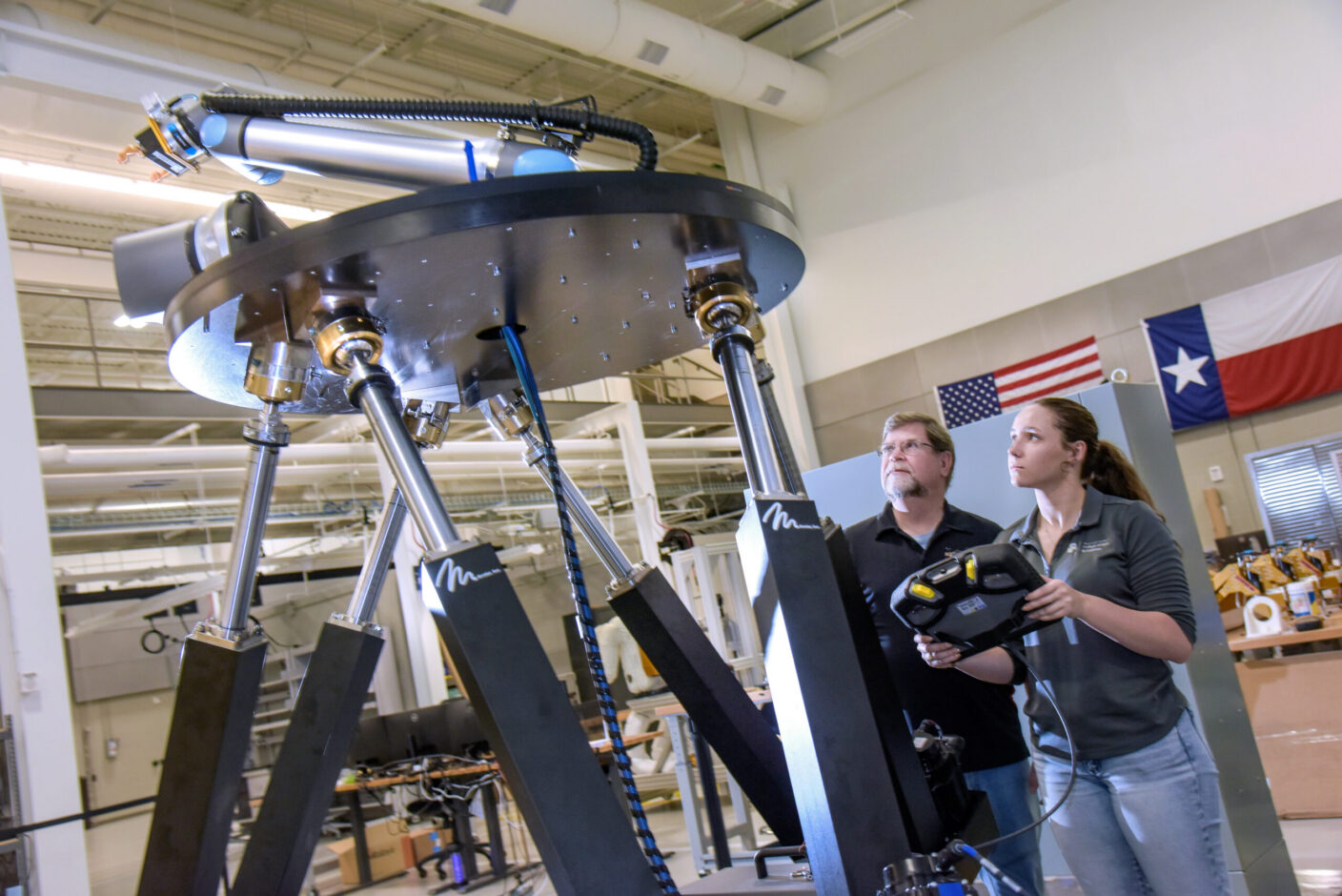
Space matters to our understanding of the universe and to our national security, and it is an increasingly important part of the economy. The Texas A&M University System’s work spans that challenge, from answering fundamental questions about what lies beyond Earth to developing the technologies and human systems needed to explore, operate, and ultimately live there.
At Texas A&M University, more than 280 researchers are involved in 316 active space-related projects, and Texas A&M researchers have contributed to every NASA Mars rover mission. Work with NASA’s Jet Propulsion Laboratory is advancing planetary landing and navigation, while specialized capabilities such as electron-beam research add expertise with applications in aerospace and other mission areas.
The work reaches even farther. Texas A&M is a founding member of the Giant Magellan Telescope consortium, helping build a next-generation observatory with a 25.4-meter primary mirror to see deeper into the universe. And with an initial $200 million state investment, the Texas A&M UniversitySpace Institute is planning roughly 400,000 square feet of facilities next to NASA’s Johnson Space Center, bringing research closer to the people, partners, and missions shaping the future of space exploration.
From understanding the universe to preparing people and technology to explore it, the mission keeps moving forward.
POWERING WHAT COMES NEXT
Texas is growing, and so is the demand for reliable, resilient energy. Population growth, advanced manufacturing, artificial intelligence, and data infrastructure are raising the stakes for how Texas generates, moves, and protects electricity.
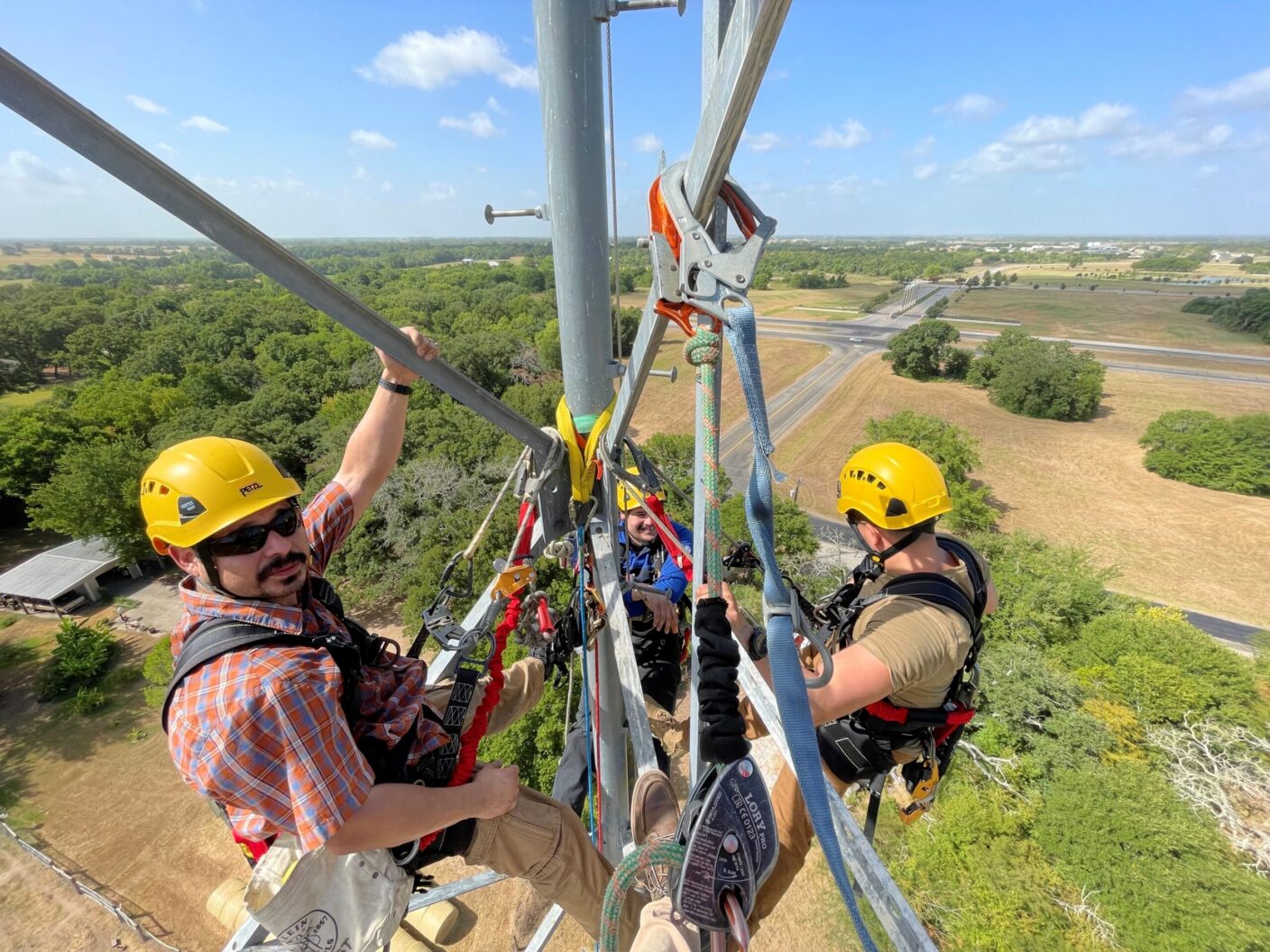
The Texas A&M University System is taking on that challenge from generation to grid. At Texas A&M–RELLIS, the Energy Proving Ground is giving advanced nuclear developers a place to move next-generation reactor technologies toward testing, demonstration, and deployment. A 5-megawatt microreactor pilot is already under construction, while other developers are advancing small modular reactor projects and related research at the site.
Texas A&M researchers are also working to make the grid itself more resilient, combining power engineering, artificial intelligence, and smart grid research to help electric systems withstand cyber and physical threats.
Reliable energy powers more than the grid. It supports Texas’ growth, critical infrastructure, and the industries shaping our future. By connecting research, testing, and industry, the A&M System is helping build the energy systems Texas and the nation will need next.
AI BUILT TO SOLVE MORE
Artificial intelligence is reshaping science, industry, and national security. But its value isn’t the technology alone. It’s what we can do with it: discover new materials and medicines faster, strengthen critical infrastructure, improve how energy systems operate, and help solve problems once limited by time or computing power.
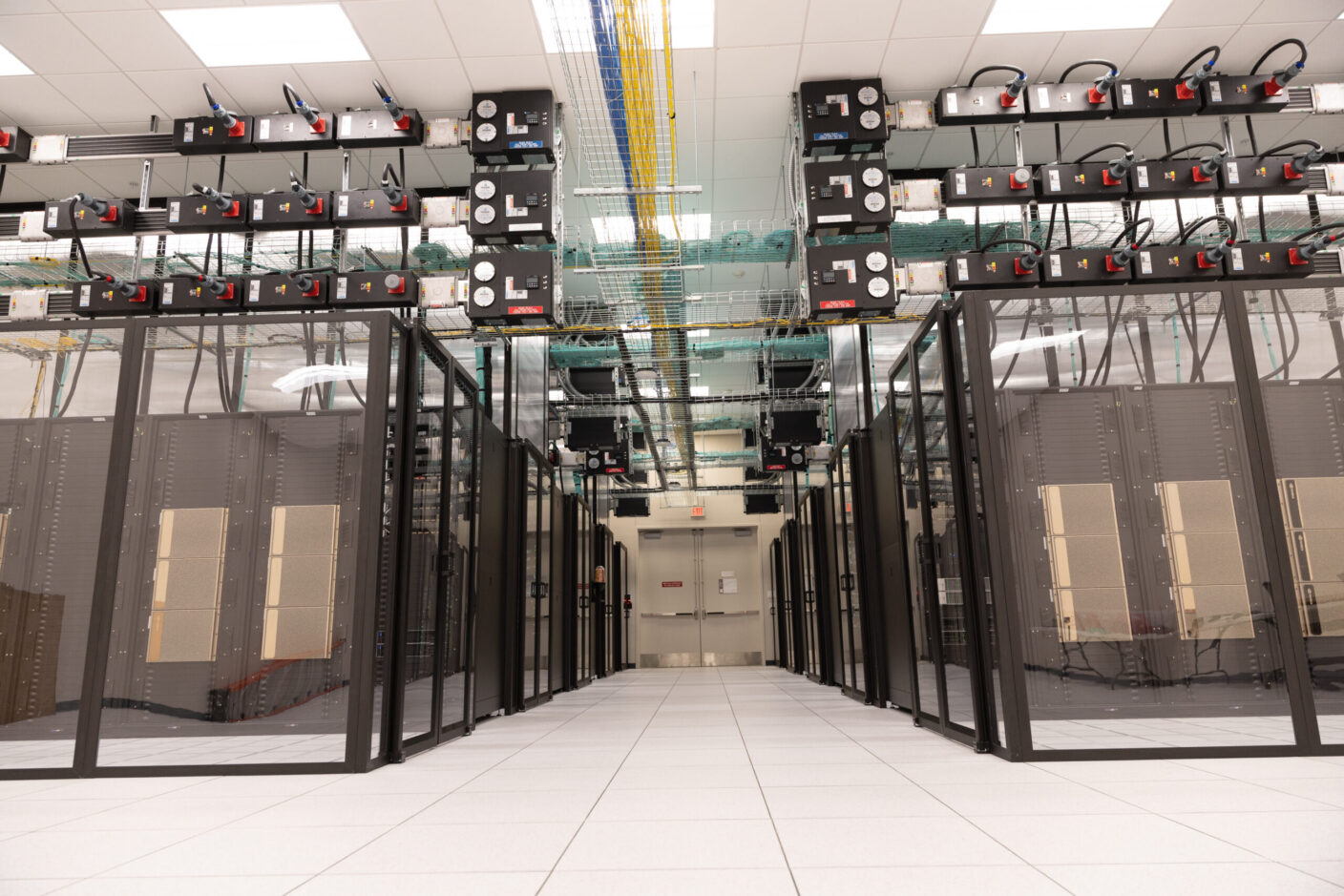
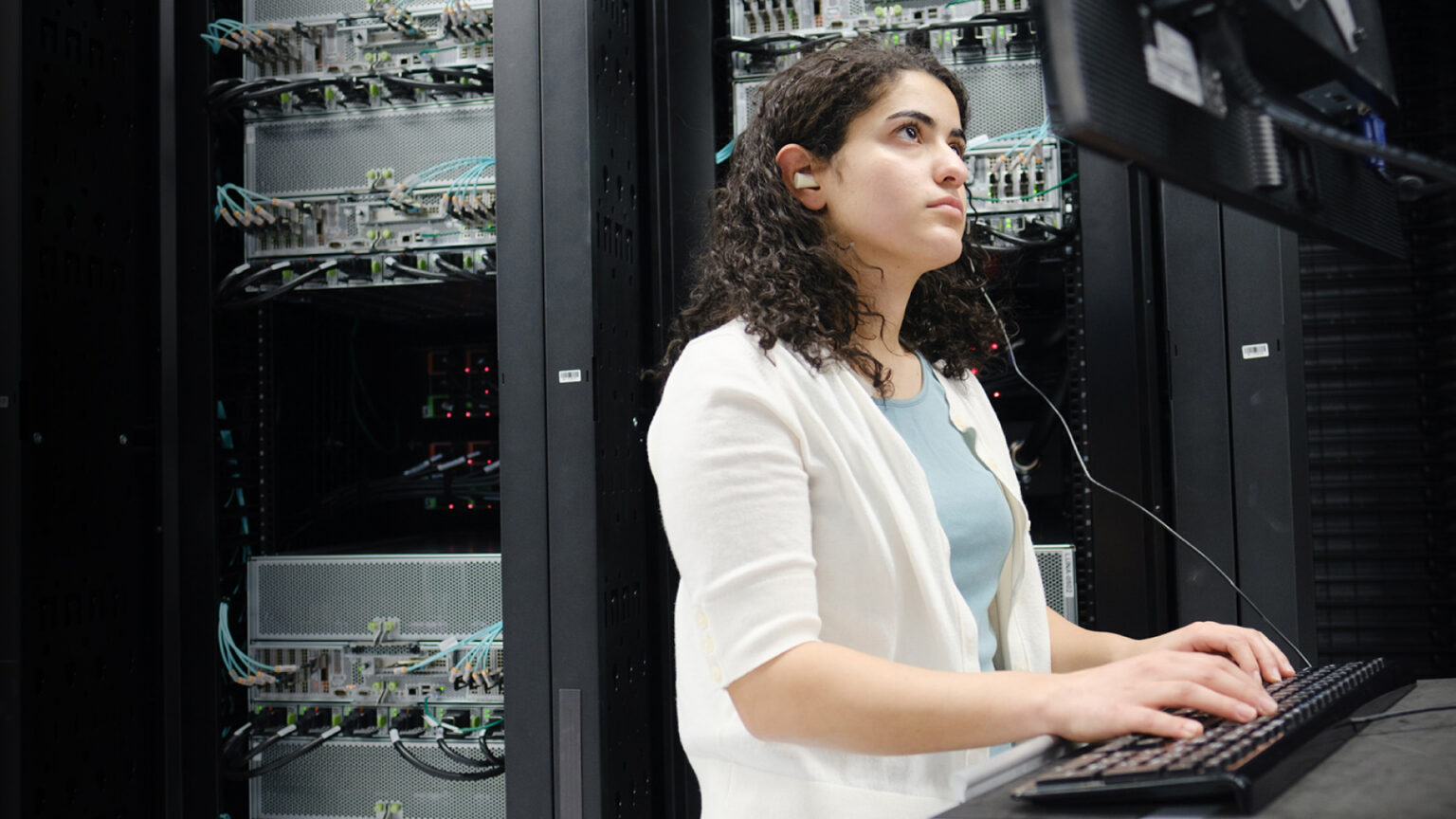
Across The Texas A&M University System, researchers are pairing artificial intelligence and advanced computing with deep expertise in science, engineering, health, energy, infrastructure, and defense. VISION delivers 34.82 petaflops of computing performance and ranks as the nation’s fastest university supercomputer. Researchers have already used it to screen more than 10 million compounds in about one week, showing how advanced computing can accelerate scientific discovery.
At Prairie View A&M University, an $8 million Department of Defense project is advancing artificial intelligence and data research for high-consequence applications. Across the A&M System, AI is being applied to materials discovery, power-grid resilience, health, infrastructure, and national security challenges.
The goal isn’t simply more artificial intelligence. It’s using it to reach better answers, faster — on problems that matter.
SMALL CHIPS. BIG MISSION.
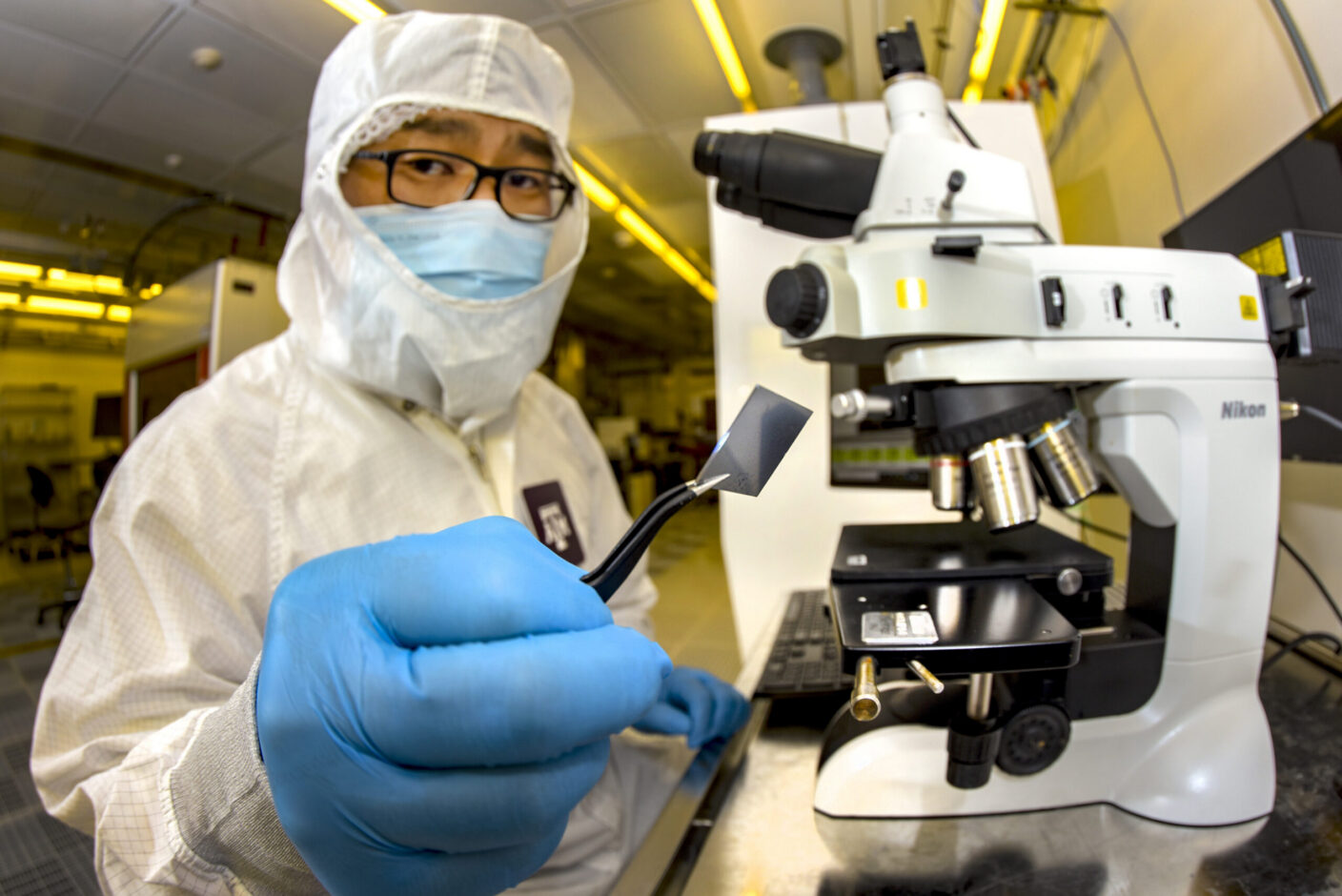
Semiconductors power nearly everything modern life depends on: vehicles, communications, health care, energy systems, artificial intelligence, and national defense. Strengthening America’s ability to research, develop, test, and produce advanced chips is both an economic imperative and a national security mission.
The Texas A&M University System is investing in the people, research, and infrastructure needed to help meet that challenge. A $205.5 million investment in the Texas A&M Semiconductor Institute is bringing research, workforce development, and industry collaboration together around the future of domestic semiconductor innovation and manufacturing.
That capability includes something especially rare: Texas A&M’s superconducting cyclotron, which can support radiation-effects testing of microelectronics for demanding environments such as space and defense. A separate $28.1 million expansion is strengthening that testing capacity and connecting semiconductor research with some of the missions where reliability matters most.
From discovery and testing to talent and manufacturing, the goal is bigger than the chip itself; it’s strengthening America’s technological edge.
PROTECTING WHAT THE NATION DEPENDS ON
A biological threat can become an agricultural, economic, and public health threat quickly. The Texas A&M University System has capabilities that reach from the laboratory to the field.
That strength is being put to work against New World screwworm. Texas A&M AgriLife Research is involved in 14 of 40 projects selected through a USDA Grand Challenge addressing the threat. The 12,612-square-foot Global Health Research Complex provides high-containment research capabilities for infectious disease. Texas A&M Veterinary Medical Diagnostic Laboratory adds diagnostic expertise. The National Center for Therapeutics Manufacturing supports biomanufacturing, while policy researchers examine broader biosecurity threats.
Research. Diagnostics. Manufacturing. Policy. Field response. Different capabilities working against the same threat.
RESEARCH READY FOR THE MISSION
Some technologies have to perform under the most demanding conditions imaginable.
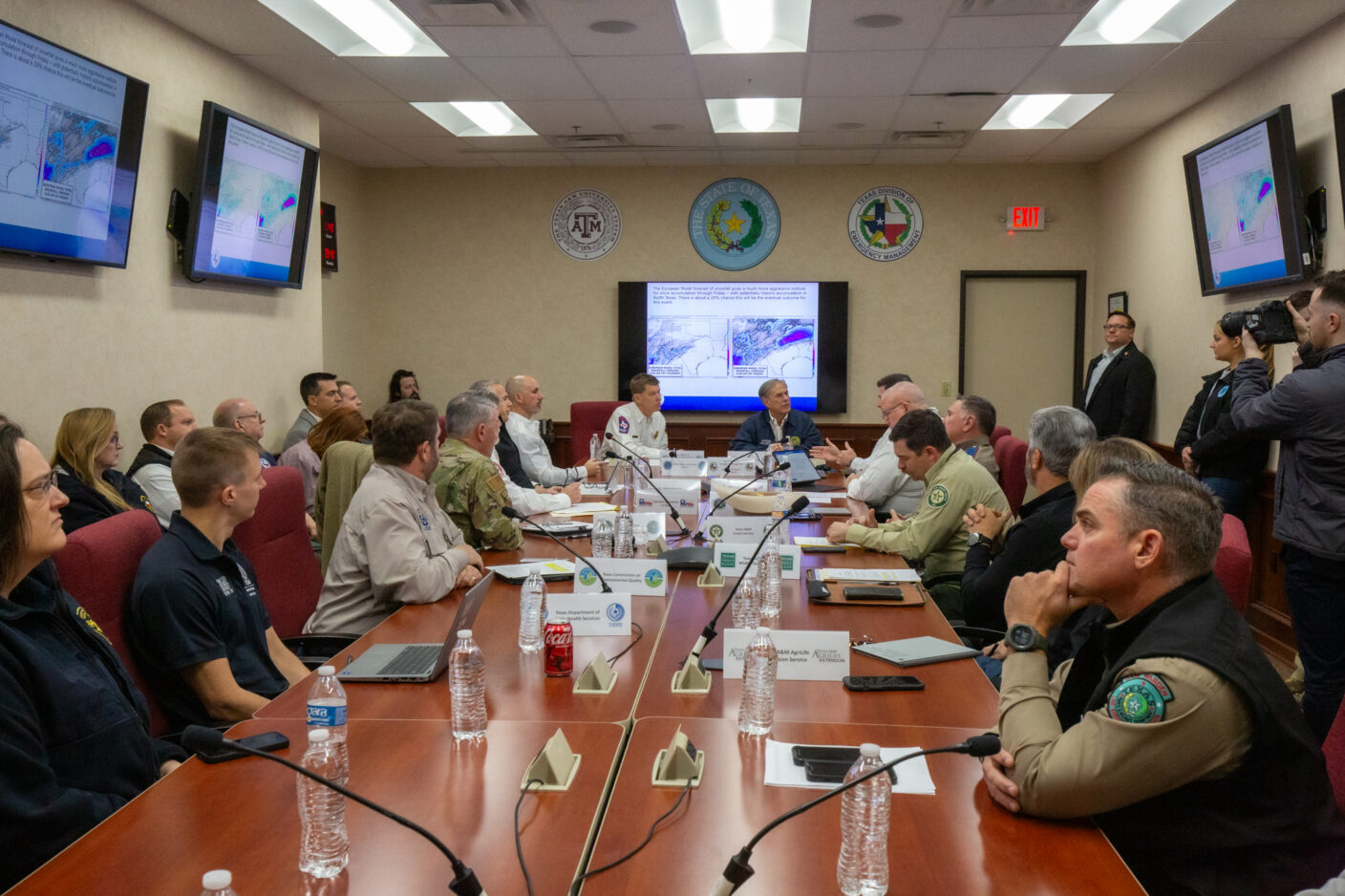
Across The Texas A&M University System, researchers are advancing work in hypersonics, directed energy, artificial intelligence, autonomy, advanced manufacturing, and nuclear security. The George H.W. Bush Combat Development Complex at RELLIS provides specialized environments where technologies can move from research toward full-scale testing.
The Texas A&M Engineering Experiment Station has also led the University Consortium for Applied Hypersonics, launched through a $100 million, five-year Department of Defense effort connecting universities, government, industry, and national laboratories.
The A&M System helps manage and operate both Los Alamos National Laboratory and the Pantex Plant through federal contractor teams, connecting our research and expertise directly to the nation’s nuclear deterrent. Los Alamos leads nuclear weapons science, design, and stockpile stewardship, while Pantex is the nation’s primary site for nuclear weapons assembly and disassembly.
When the mission matters, the research has to be ready.
INNOVATION AND DISCOVERY

Texas A&M to Prepare Space Force Leaders Through 2036
Sep. 24, 2026 • 5 min. readTexas A&M University will help prepare officers to lead U.S. military operations in space for the next decade, giving the university a central role in developing leaders for one of the nation’s most consequential national security missions.
Texas A&M System Home to Nation’s Fastest University Supercomputer
June 25, 2026 • 4 min. readThe Texas A&M University System’s new VISION supercomputer is the most powerful university supercomputer in the United States, according to the June 2026 TOP500 list, which ranks VISION No. 66 among the world’s fastest computing systems.
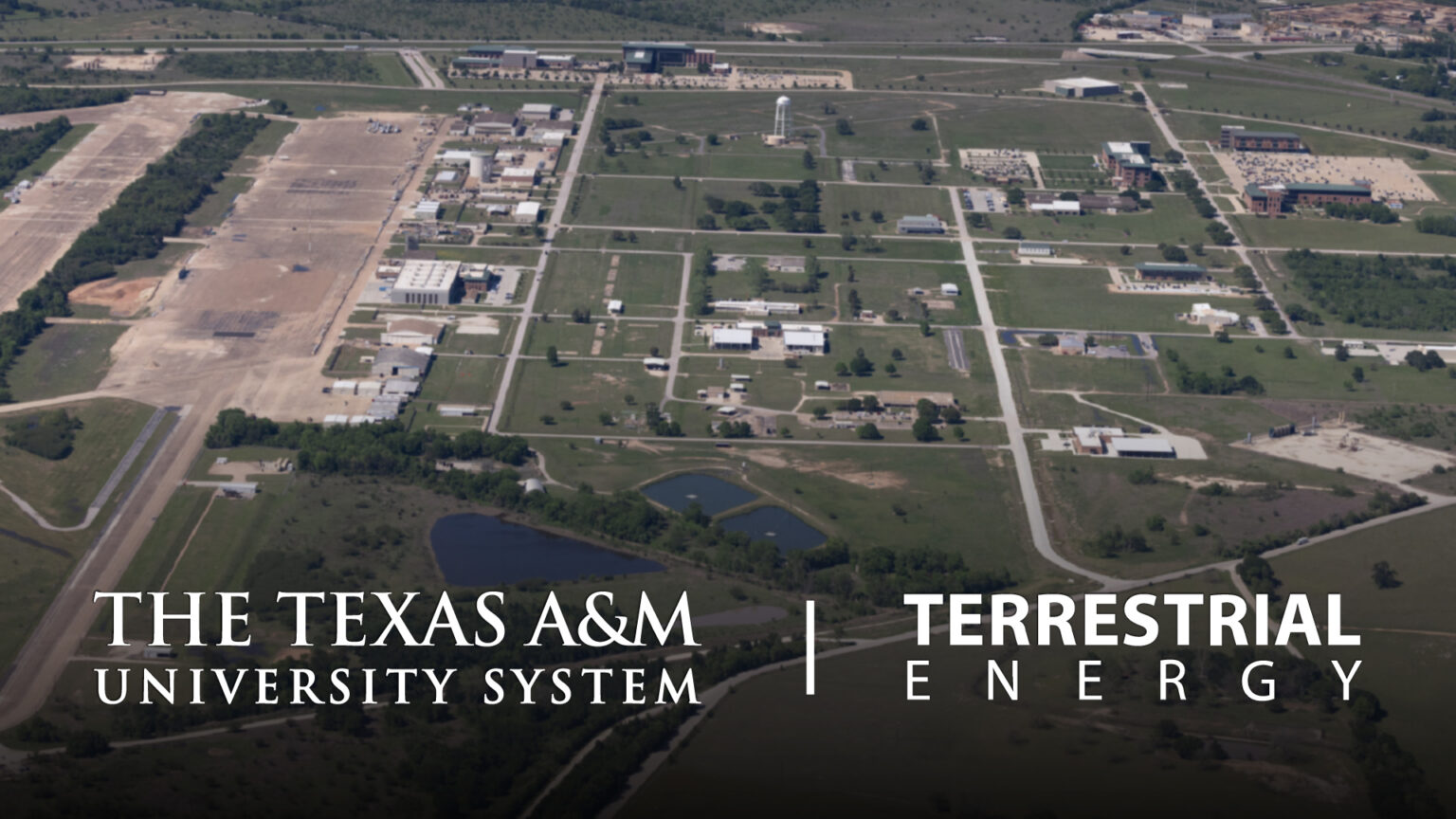
America’s Nuclear Energy Race Accelerates at Texas A&M-RELLIS
June 18, 2026 • 4 min. readAmerica’s race to build the next generation of nuclear energy is accelerating at Texas A&M-RELLIS, where The Texas A&M University System signed agreements with Terrestrial Energy Inc. to advance the development of its planned small modular reactor.
CONNECT TO MORE
Have a question, partnership opportunity, or initiative to explore? Connect with the A&M System to reach the right team and move the conversation forward.
Contact Us