
FOR EVERY DISCOVERY, A WAY FORWARD.
Discovery opens doors. The Texas A&M University System helps ideas keep moving into new technologies, partnerships, companies, public systems, and practical solutions.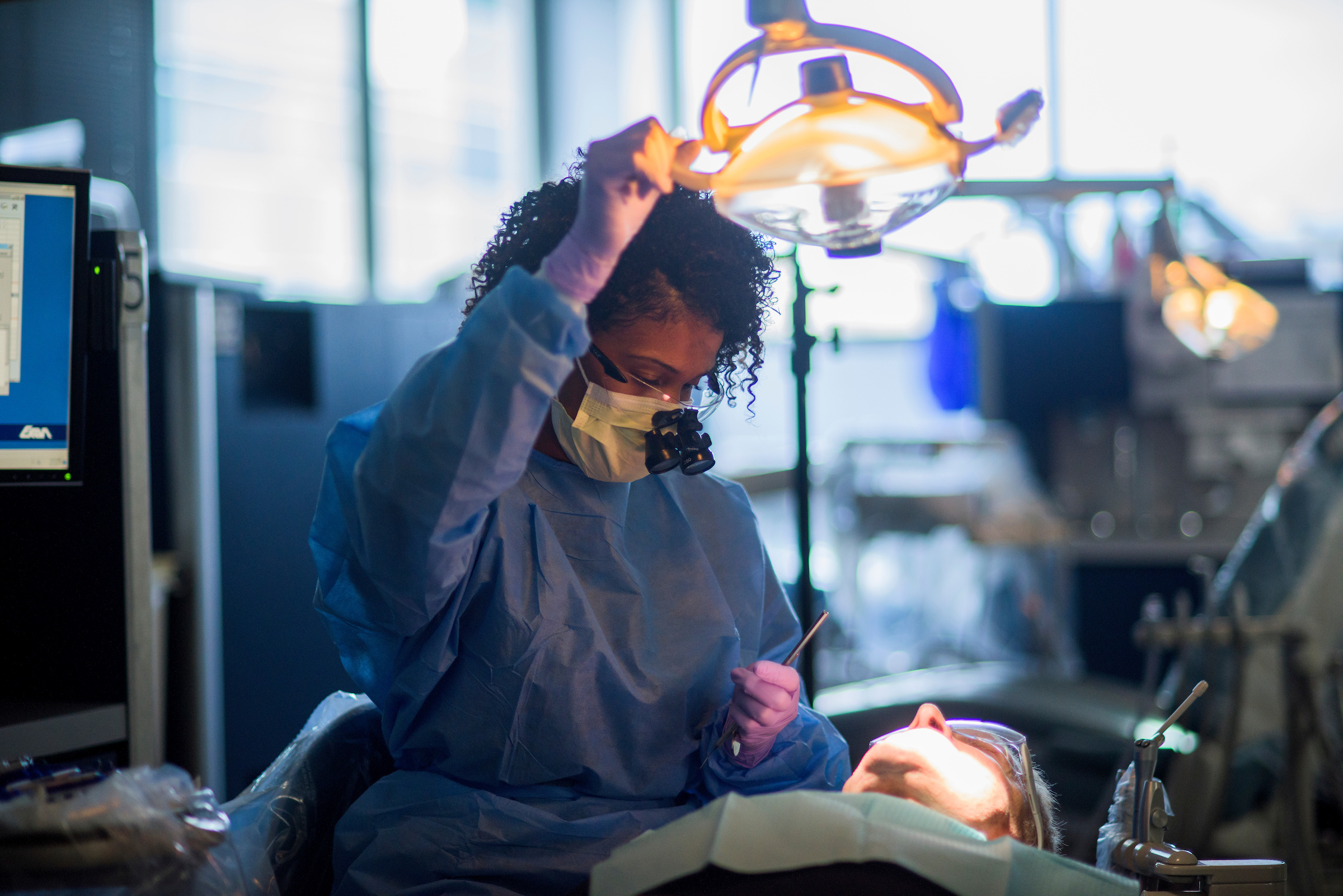
MOVE THE IDEA FORWARD
A discovery can reveal what’s possible. Turning it into something useful takes another kind of work. Across The Texas A&M University System, researchers can connect with intellectual property expertise, funding, industry partners, specialized facilities, and real-world test environments.
Sometimes the result is a patent, license, or startup. Sometimes it is technology developed with a national laboratory or tested with a federal partner. And sometimes research becomes a better practice that reaches Texans through one of our state agencies. There isn’t one path from discovery to impact. We’re building many.
271 Invention Disclosures
Ideas With Potential
67 U.S. Patents
Protecting New Discoveries
9 Startups Launched
Turning Ideas Into Ventures
TURN IDEAS INTO OPPORTUNITIES
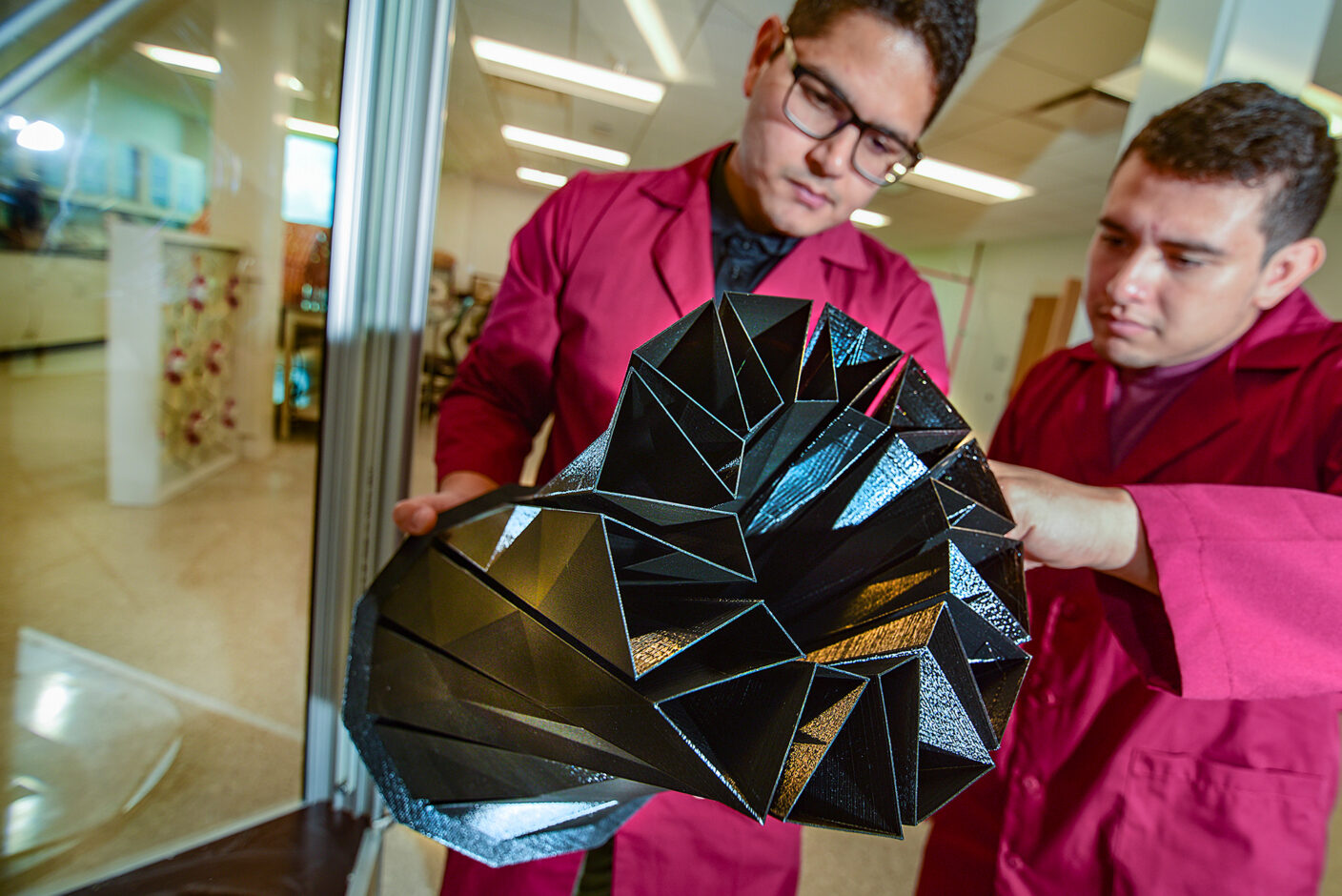
A promising discovery needs a path from possibility to practical use. Texas A&M Innovation helps researchers across the A&M System protect intellectual property, develop promising technologies, connect with industry and investors, license discoveries, and create new ventures.
One of the hardest steps comes between proving an idea and making it ready for outside investment or adoption. The A&M System’s Advancing Discovery to Market initiative helps close that gap, giving researchers resources to mature technologies and move them closer to commercial readiness.
The goal is not simply to generate more inventions. It is to give the strongest ideas a path toward partners, markets, and practical use.
PROVE IT WHERE IT MATTERS
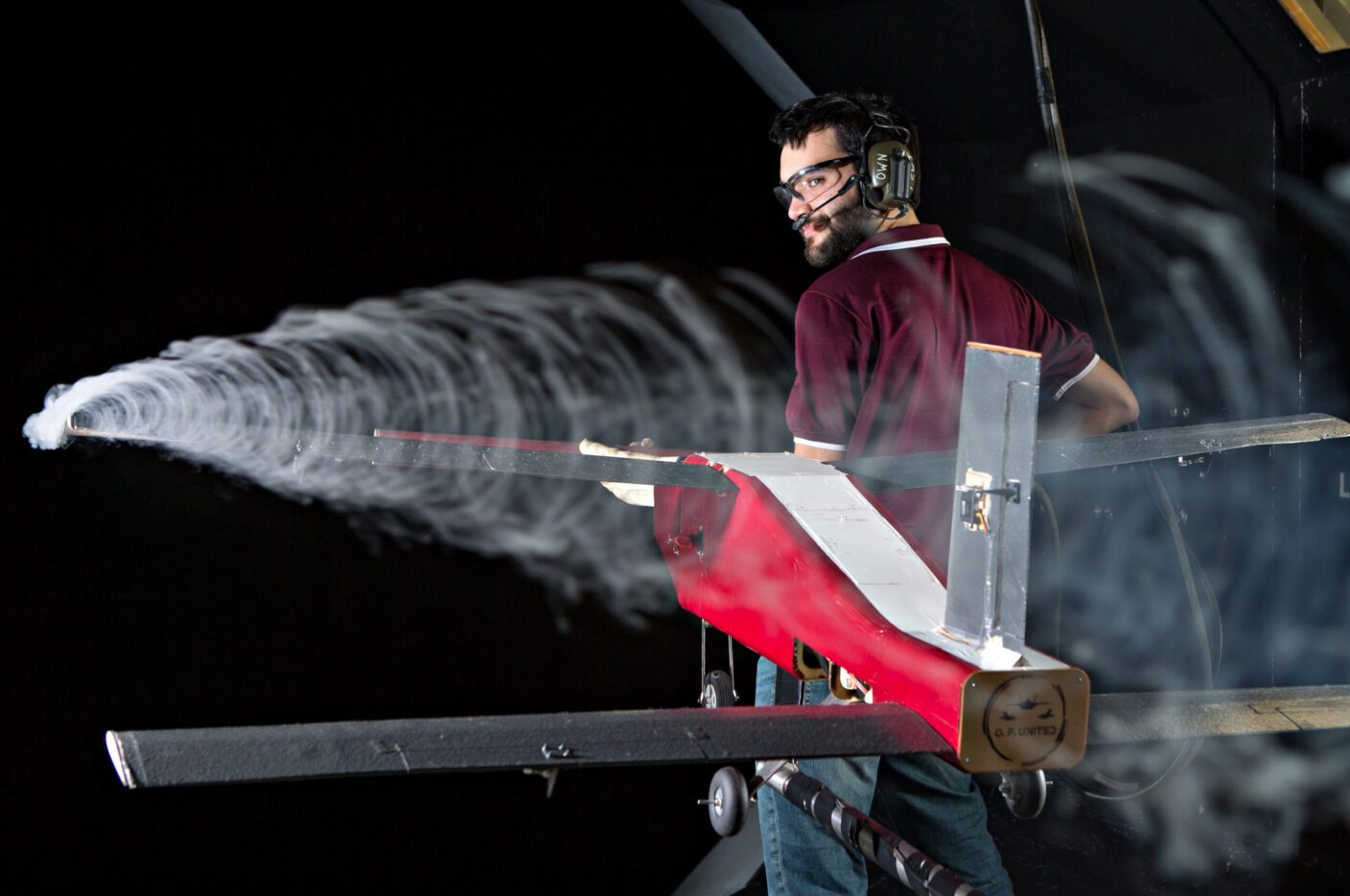
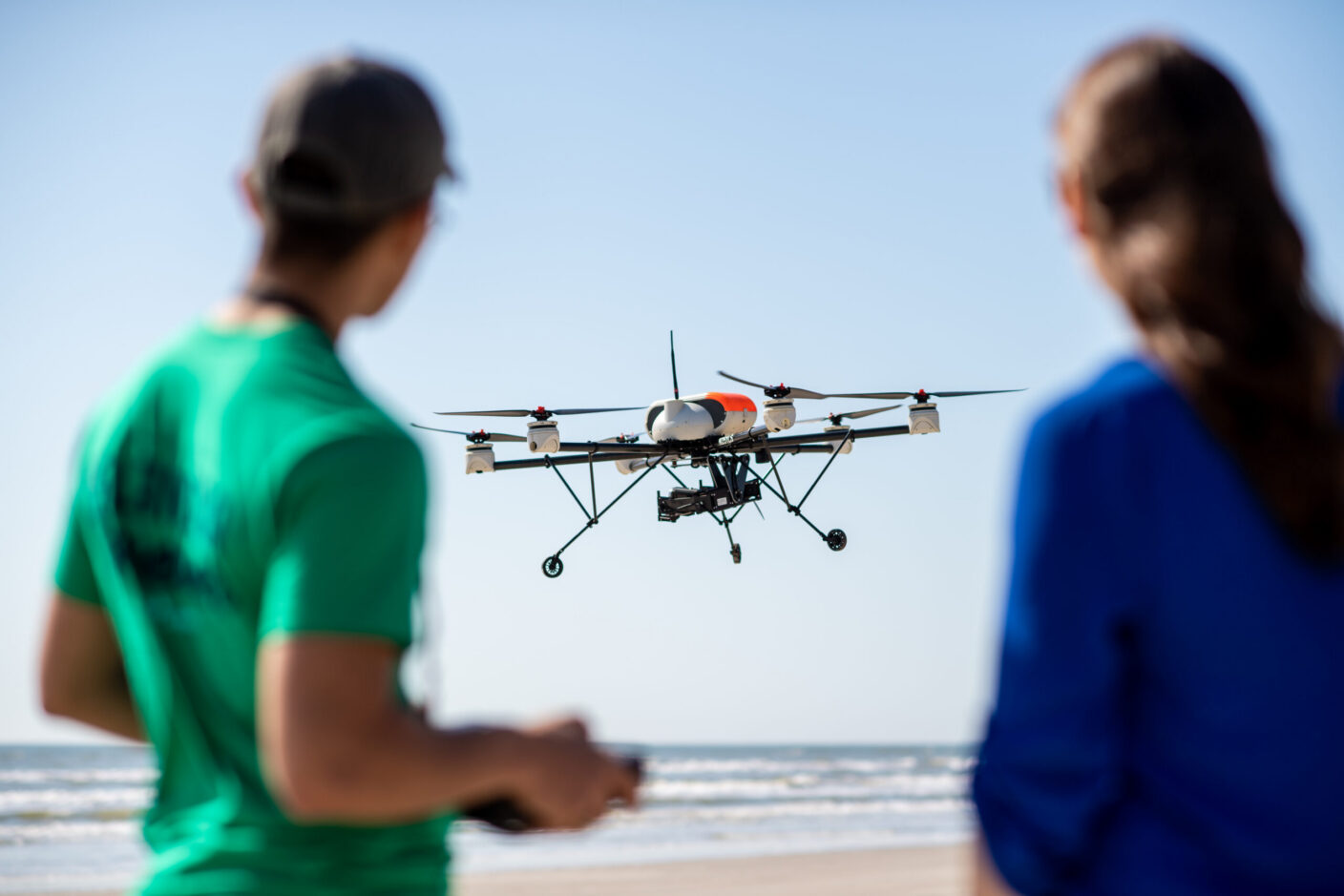
A promising technology still has to prove it can work beyond the laboratory. That can mean testing it under real-world conditions, refining it against an industry or government requirement, demonstrating that it can perform at scale, or developing a reliable way to produce it.
Across The Texas A&M University System, researchers can connect with test environments, specialized facilities, industry and government partners, and mission organizations that help promising technologies take that next step. In the life sciences, for example, biomanufacturing capabilities can help move discoveries toward reliable production. In national security and other applied missions, research can be developed and tested against real operational needs.
The path is different for every idea. The goal is the same: move it from promising to proven and closer to real-world use.
PUT KNOWLEDGE TO WORK FOR TEXAS AND THE NATION
Impact doesn’t always come with a patent, license, or startup. Sometimes it looks like a safer road, a healthier herd, a stronger food supply, a more resilient forest, or a community better prepared for the next emergency.
Across The Texas A&M University System, state agencies create direct pathways for research to move into practice. Transportation research can help improve safety, mobility, and infrastructure. Agricultural science can reach producers and communities through statewide networks. Veterinary research and diagnostics can help detect disease and protect animal health and the food supply. Forestry and emergency-response expertise can strengthen preparedness, resilience, and response.
It is another path from discovery to impact, moving what we learn into public systems, communities, and the hands of Texans who can put it to work.
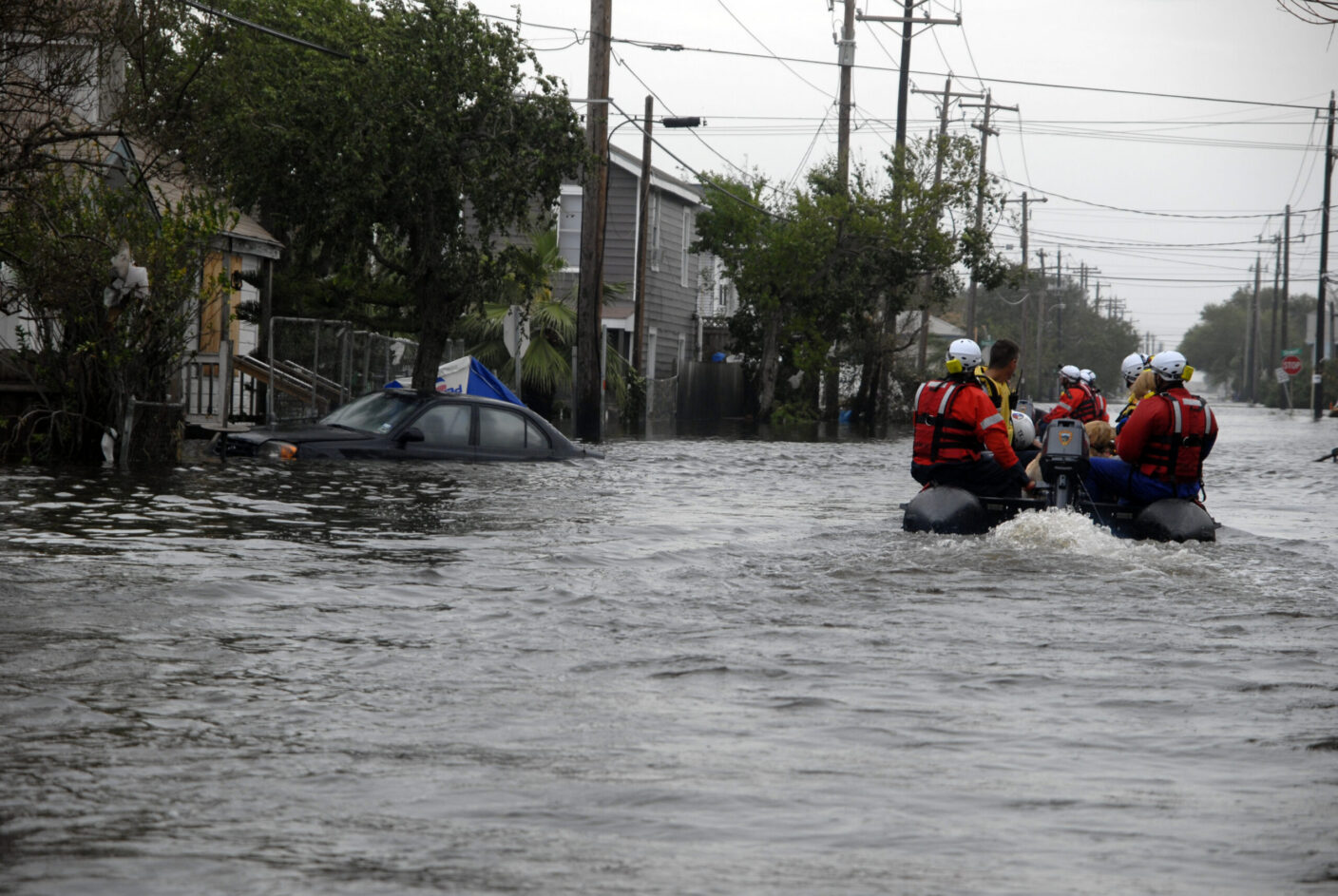
INNOVATION AND DISCOVERY

Texas A&M to Prepare Space Force Leaders Through 2036
Sep. 24, 2026 • 5 min. readTexas A&M University will help prepare officers to lead U.S. military operations in space for the next decade, giving the university a central role in developing leaders for one of the nation’s most consequential national security missions.
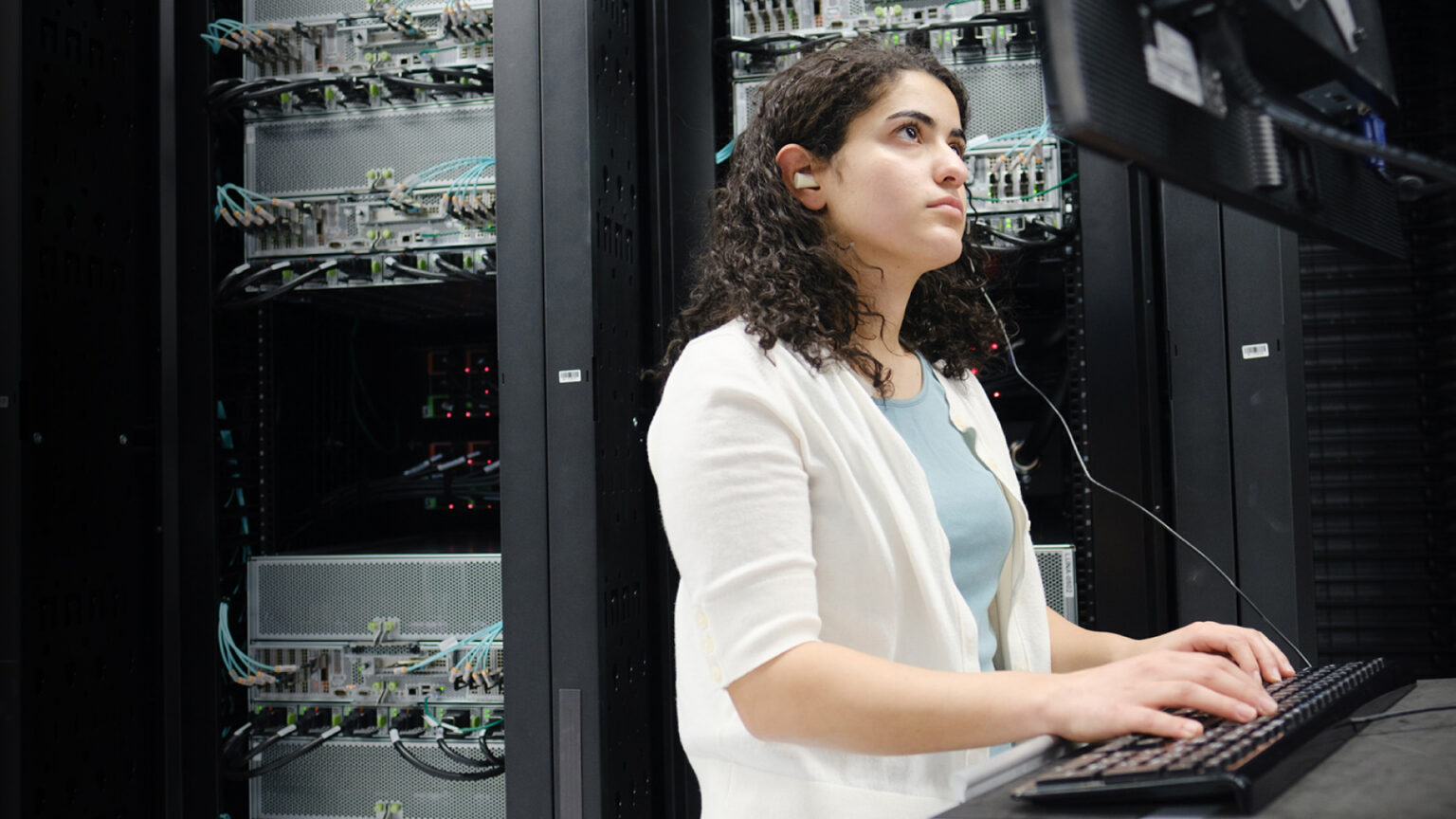
Texas A&M System Home to Nation’s Fastest University Supercomputer
June 25, 2026 • 4 min. readThe Texas A&M University System’s new VISION supercomputer is the most powerful university supercomputer in the United States, according to the June 2026 TOP500 list, which ranks VISION No. 66 among the world’s fastest computing systems.
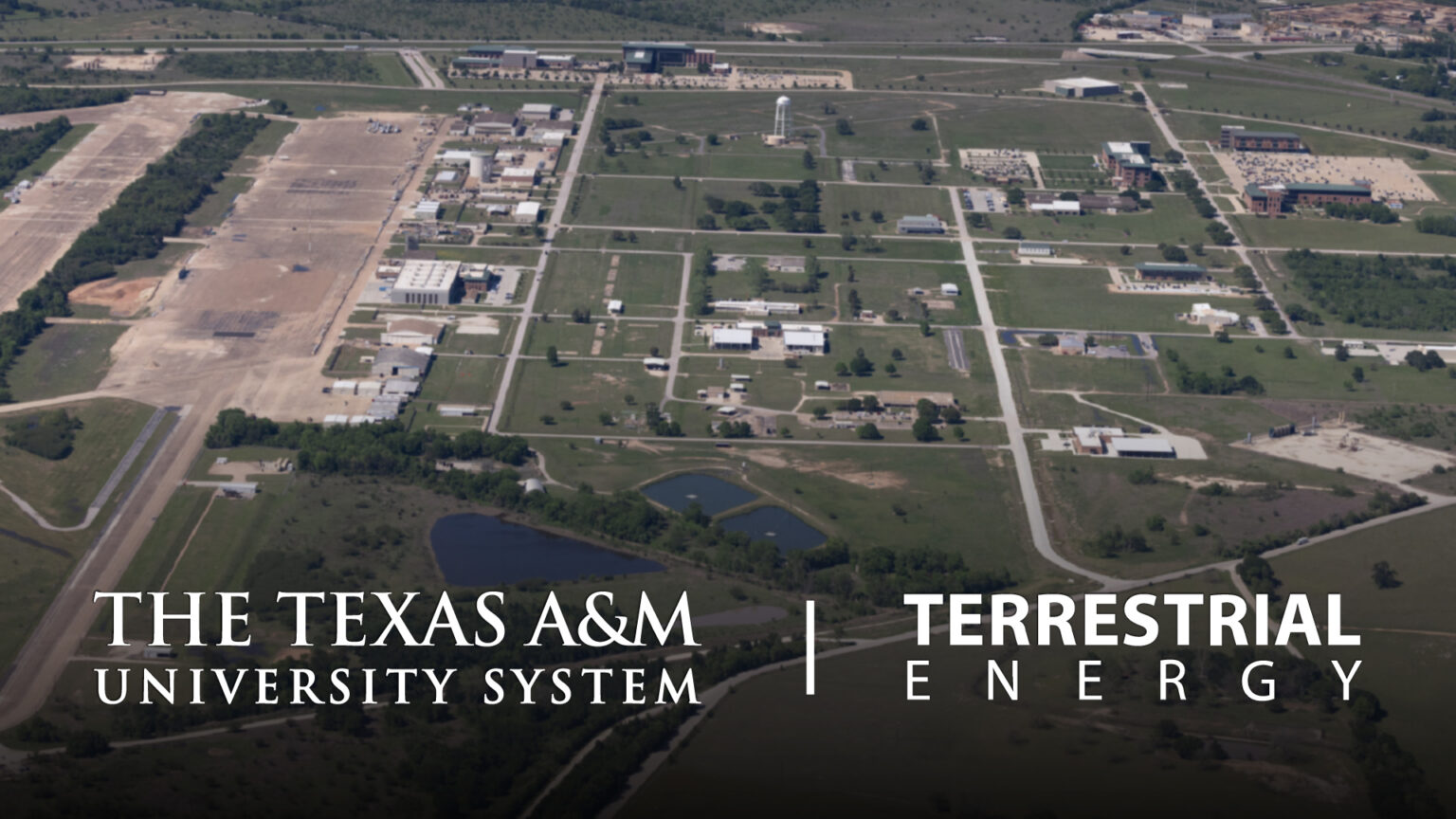
America’s Nuclear Energy Race Accelerates at Texas A&M-RELLIS
June 18, 2026 • 4 min. readAmerica’s race to build the next generation of nuclear energy is accelerating at Texas A&M-RELLIS, where The Texas A&M University System signed agreements with Terrestrial Energy Inc. to advance the development of its planned small modular reactor.
CONNECT TO MORE
Have a question, partnership opportunity, or initiative to explore? Connect with the A&M System to reach the right team and move the conversation forward.
Contact Us